Running
Life Bridge: true voyage of discovery

The vision for the 10 City Bridge Run was ambitious. Ridiculously ambitious, but even though it is taking longer than first thought, I believe that delay is acceptable towards achieving a far better outcome and lasting legacy.
The initial concept from when it was first conceived in 2010 is unchanged. The execution has differed, but only in ways so as to improve the journey. There are three parts to that concept:
- Running 10 sub-marathons each of 24 km in 10 cities across 10 countries as a stunt to open a conversation about improving child survival (completed successfully!)
- A Design Forum to address the conversation asking “how might we use our networks to improve the delivery of child survival?” (commenced, in progress, culminating at the end of October 2015)
- A book with a working title ‘Life Bridge: the importance of connection’ which will feature 100 photos of human bridges to illustrate the importance of our connection which is necessary to both flourish and also to solve any problem
The concept for Life Bridge is simple enough. A human bridge might be a photo which would describe the importance of connection in the mind of the photographer, maybe in collaboration with the subjects. Each photo is a design project in its own right.
While the concept is simple, organising this task has taken time. It is a collaborative effort. Soon we will be underway.
I will be the first to admit that the delay in the book Life Bridge is unwelcome, but I also acknowledge that the space which has been created because of the time has helped to mature the concept defining the book. Presently, I see the curation, design and distribution all being events which will compliment and contribute towards the conversation that is unfolding through the Design Forum.
I just finished reading a book which I highly recommend by Alan Gregerman called “The Necessity of Strangers: the intriguing truth about insight, innovation and success.” He opens the book with a quote from Proust which succinctly frames the concept for Life Bridge:
“The only true voyage of discovery would not be to visit strange lands but to posses other eyes, to behold the universe through the eyes of another, of a hundred others, to behold the hundred universes that each of them holds, that each of them is.”
The 10 City Bridge Run involved a journey, and through the Design Forum we are learning to see. And not just to see, but to do.
Life Bridge will be an important book. It is a call to action for all who read it, by being stimulated by the imaginations of the holders of one hundred universes. It will be beautifully published in Korea, and present itself as a fitting coffee table book, but one with a difference. My hope is that every time anyone reads Life Bridge, it will change the world beginning with the reader.
By way of thanks, I also wanted to clarify that everyone who has contributed to this journey will receive a copy cod this book. I don’t regard your engagement as transactional, but it is the tangible thing which many have effectively pre-purchased by supporting this journey. There is no more you need to contribute to receive the book. And thank you for your patience as we uncover the alchemy to weave together these one hundred universes seen through the eyes on another.
Human Junk
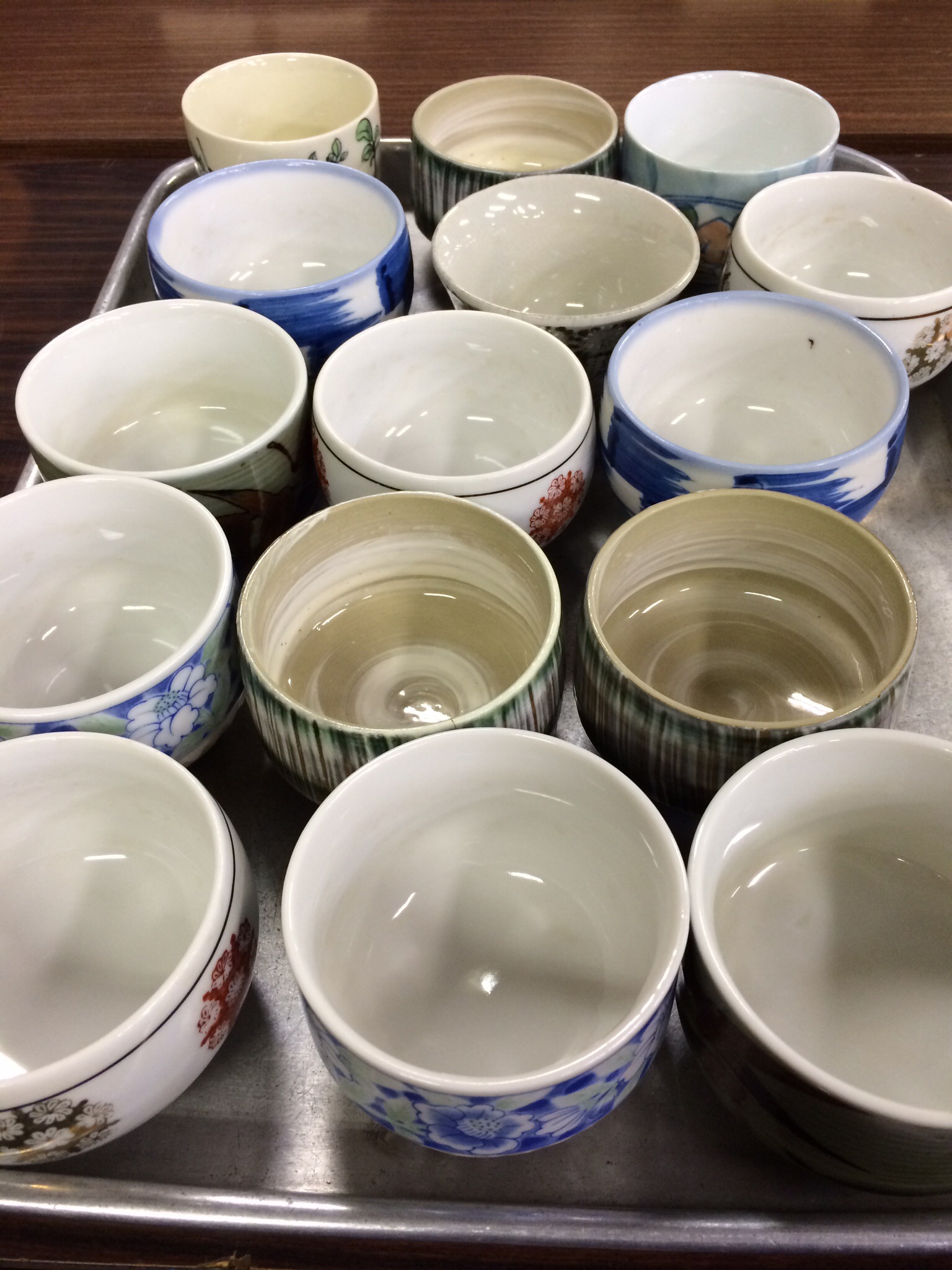 Returning to Osaka, it was like coming back to visit an old friend. That’s the effect of running around a city. Long distance runners will know the feeling. The city opens up its secrets. Back streets and observations of life that pass the ordinary visitor. Osaka is a lovely city, with lovely people, a proud history and natural beauty.
It was with this in mind that I wondered what to make of the small community of people who I gathered with on Sunday morning after arriving on Saturday evening. Inside an austere hall, they greeted me warmly as I arrived. I hadn’t met them before, and someone might have been excused for thinking that there was nothing at all special about their very-ordinariness at first glance. How might they be described by others? Lonely misfits, trash, human junk, cripples. Not world beaters.
But within a few minutes, I saw a different side to them all. Warm, friendly, generous, talented. Not trash. Not junk. Gifted.
And while I had experienced the friendliness of the city on my previous visit when I ran in Osaka last October, this community showed me a hospitality I previously hadn’t recognised here.
To write anyone off as junk is more than unkind. Similarly, to think that to solve important social problems is only for those with a certain talent or income is equally as wrong. Bill and Melinda Gates have become poster idols for making change happen, but they are not unlike you or I. We are all human, and we all have the same capacity to care. Money has little to do with the equation. It is a question of commitment.
Who is invited to the Design Forum? Only the beautiful people? Just innovators, thought leaders, and forget the rest? No, there is no qualifying credentials required. Everyone is welcome.
The Design Forum is an ambitious journey of its own. It is the destination of the 10 City Bridge Run, and defines a conversation asking an important question: “how might we use our networks to improve the delivery of child survival?”
Drop in at anytime. Please bring your manners. And your imagination.
The conversation is about child survival. That is keeping children alive and flourishing past their fifth birthday. UNICEF calculates there are over 16,000 children under the age of five every day, and a high percentage those deaths occur within the first 48 hours. And we really have to ask ourselves: do these deaths really matter? Can we really be concerned? Or are these babies are just human junk and trash?
Do we care enough to act? I’m not talking about a donation to UNICEF or any other aid agency. Can we really take action to make a difference? Can you? Will you?
Osaka: Start At The Beginning
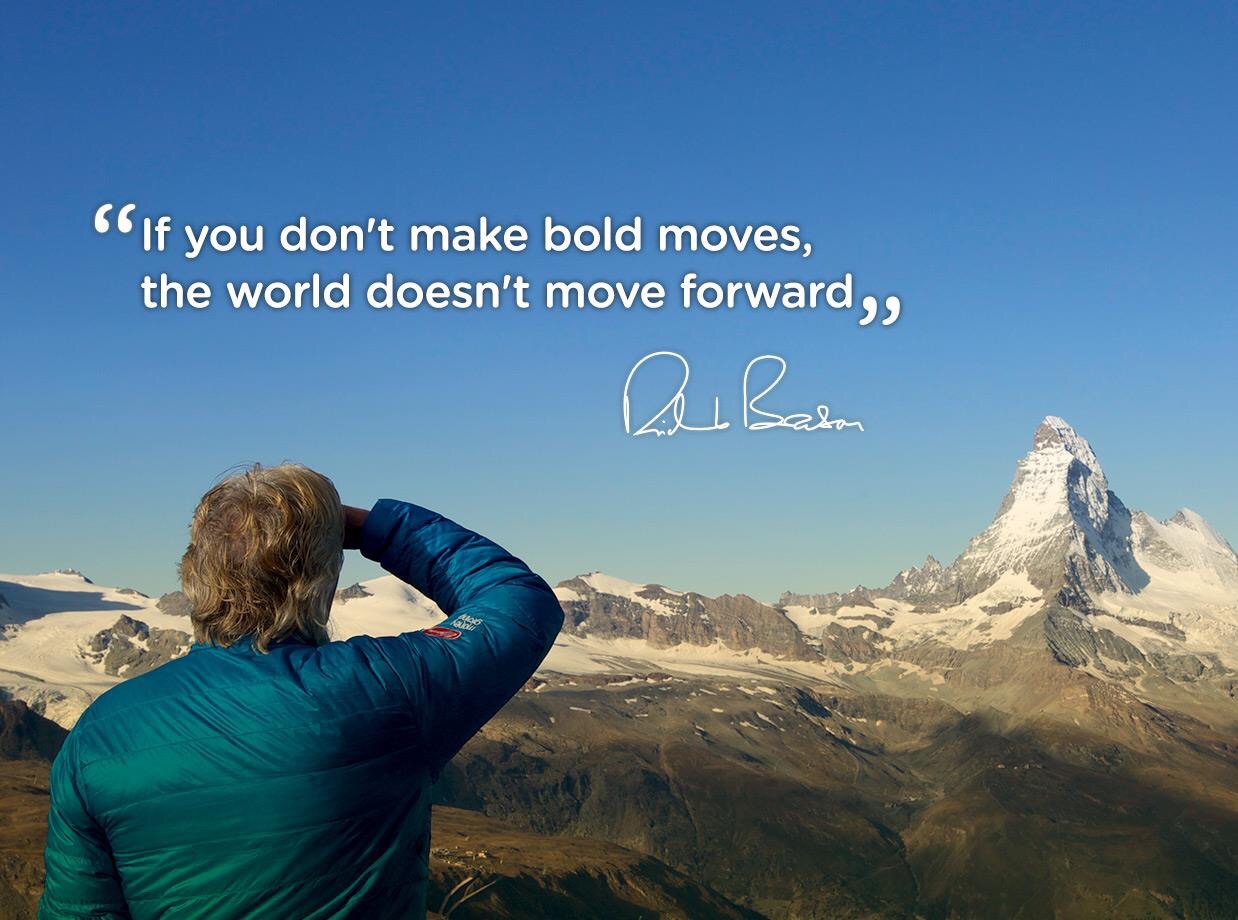 Today begins a new journey as the Design Forum for the 10 City Bridge Run formerly commences. By way of introduction and explanation, this is a welcome note to many, and also an apology of sorts for possibly failing expectations, as we embark on this epic quest.
The Design Forum follows behind the 10 City Bridge Run, a running stunt that wove a narrative through 10 cities where the discussion will take place.
We have to go back to the beginning to understand where we are now. The 10 City Bridge Run was in response to an alarming rate of child mortality painted by large, institutional aid agencies. In 2010, much publicity was given to highlighting the 2008 daily rate of child survival: an average of 24,000 child deaths per day calculated by UNICEF. Considerable money and attention was given to highlighting this figure. I thought that we should instead be asking what we could do going forwards rather than be too caught up in educating a figure from the past. So the 24K formed a figure which framed a distance I then decided to run in 10 cities as a stunt that would culminate in a central Design Forum.
It was an ambitious journey. Epic. Impossible. Impossible because I made these plans with none of the resources at hand.
Friends and family responded by contributing, crowdfunding an amount to start the journey. The deficit fell on myself which has not been insignificant.
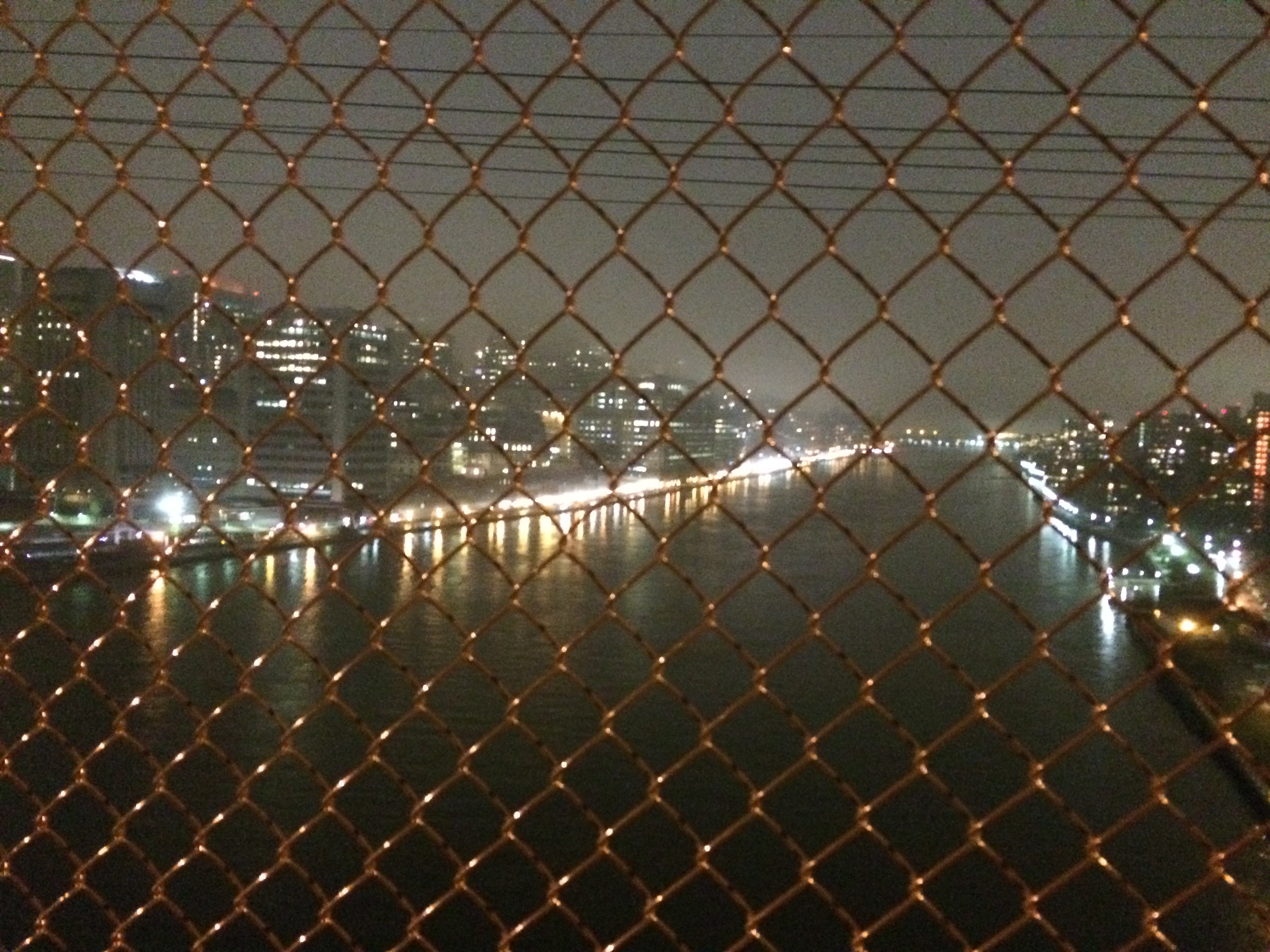
In early January this year, after a prolonged and difficult journey, the 10 City Bridge Run was completed in the cold rain on a dark night in Manhattan.
Many friends have said that media was key. Why didn’t I have more media? Why didn’t I have any media support for that matter? And they are right. Partly, the reason for not pressing ‘send’ on documents to the media is because it was just me doing this journey. Yes, me. For all of my failings. I admit fearing the thought of standing before the media, injured, unfit, lacking resources, with no certainty except for a foolish Quixiotic quest to drive me forward. Understandably, the media would want to know the plan, not just the dream. And there was a plan, but unfunded. I couldn’t say with any certainty what would come next even within days before the event because of a lack of resources.
Along the journey, out of necessity I chose homelessness over accommodation in many cities. To abstain from meals rather than to eat. There was no money for such things. And that made speaking with media all the more difficult. The rawness of the journey, the fraught nature of this quest is what has made it epic, but they are also circumstances that scare people. Their natural response is to tell you to stop.
Even getting to Osaka has been part of that narrative. I could point to a date on a calendar easily enough, but how to organise something without resources? I’m now not so sure if that is difficult, or foolish, or both.
The Design Forum began today because it was a date that ensured I was in Osaka ahead of HackOsaka tomorrow. A gathering of innovators and entrepreneurs to look at applications of the Internet of Things (IoT). When I first met the Director for this gathering after I ran in Osaka last October, it seemed to be a clear and definable line in the sand to start a series of Desig. forum. I used the expression “to convene a ‘Part B’ to HackOsaka” during that conversation, although it wasn’t clear to him what I meant exactly, partly because of language and partly because of lack of resources that I was reluctant to share a plan that was closer to a dream than to reality.
Before we get too far into a conversation talking about child survival, I think it is first important to ask how are we to ‘Design the Design Forum’. The Osaka gathering is in a foreign language to my own, set in a foreign culture, and format (hackathon) that I had a hunch might best be used to discuss the issue of child survival. A hackathon is a preferred format to a traditional conference setting involving a plenary which leans on the panel of experts to frame the conversation. I loved how Bono referred to that type of plenary at Davos in 2012 by saying, in a conversation about child mortality, “we don’t need another talking shop”.
Additionally, today’s date is important because it is the start of a free, seven-week, online course hosted by Acumen Fund and IDEO called an Introduction to Human Centred Design. A free course about Design Thinking. That date for the course was a coincidence, but very welcome, and it is that course along with the Hackathon tomorrow here in Osaka which defines this first Design Forum beginning in Osaka.
The HackOsaka event won’t be discussing child survival, but will be an opportunity to ask questions about conducting an event. Not just questions of the organisers, but amongst ourselves. I intend to conduct a straw poll of people who are attending about child survival, but only in as much as to find a baseline of where the current ‘person on the street’ conversation is found.
The seven weeks concludes close to the entry date for the 2015 Fuller Challenge, and the culmination of this Design Forum will both be framing a plan for the future as well as making a submission to the Fuller Challenge. The Fuller Challenge is inspired by the life and work of Buckminster Fuller.
In the meantime, I have been wrestling with Google Hangouts which I can’t get the Hang Of so that I might provide an overview of the journey to date. That too is perhaps an auspicious start to the begin of this new epic quest. Auspicious and not ominous. Auspicious because it highlights that there are many things we don’t know. I can’t just dismiss the problem by say “I’ll do it on an Google Hangout”. I have to really know how to do it, which serves as an allegory for our journey to improve child survival.
Why this is relevant is not because it highlights my own failings, but because it is a question I asked a number of people in an open ended way about six-months ago where I indentified that the most immediate challenge to be solved was working on a framework for collaborative exchange. I actually think that Google Hangout is close to the solution to that question, except for the fact that it can’t be accessed in China. By identifying that there was never a response to that earlier question six months ago, it is not blaming the earlier conversation, but addresses the fact that to resolve issues we need to have intentional commitment to a solution. Which brings us back to the Design Forum.
Another reason for the Design Forum, and approaching it methodically through Design Thinking is that it helps to engage unspoken and undiscussible assumptions and opinions about child survival. In a Facebook exchange yesterday, two friends shared informed view of funding about which organisations are best, and also by contrast which are less effective, for improving child survival. It is a welcome contribution, but this conversation is less about funding and more about our most precious and under-utilised resource: each other. Our networks are our most under-utilised resources, especially when it comes to solving problems. Our networks are fuelled by passion and imagination, not money.
There are some less conventional part to this Design Forum. One such example is using our networks to strengthen a petition (both in wording and in numbers) which is addressed to Australia’s Foreign Minister, The Hon Julie Bishop MP, requesting her to be the official Champion for the Design Forum (which will point to the culmination of this conversation at the final event in Seoul this October). Another example is a request to Bill and Melinda Gates to suggest a reading list for us to read right now. There is no time for delay. This is not a nice to have.
If you disapprove about anything relating to the Design Forum, that’s fine, but let us know why. This is a conversation. We needn’t agree with everyone on everything all the time. Share your perspective, and as loudly as you would like, but please remember your manners too. We need your voice, and I for one know that I am not always right.
Thank you. Thank you for being part of this journey, even if it is just through the reading of this blog. We really need you to be part of this journey for the Design Forum to ask an important question asking: “how might we use our networks to improve the delivery of child survival?” Bring your imagination, your enthusiasm, your criticism, your passion. But please do join us. This is an important question to address, and I suggest that the point of Bill and Melinda Gates Annual Letter this year which pointed to a reduction of child mortality over the next 15 years was to inspire action, not just Facebook Likes. Welcome to the conversation.
And with that, I am delighted to announce that this epic series of Design Forum has now commenced!
Some links:
Design Thinking course. Join here or leave a message below. https://novoed.com/hcd-acumen
Petition for Julie Bishop. https://www.change.org/p/the-hon-julie-bishop-mp-champion-the-global-series-of-design-forum-to-improve-child-survival
Question for Bill and Melinda Gates (and yes, you can forward this blog as well). http://youtu.be/tkrUlCm9GFs
Happenstance: Then There Were Ten

It was when I was in Osaka last October after completing the fourth leg of the 10 City Bridge Run that I realised the plan had to change.
Up until that time, a singular Design Forum was scheduled for the end of the journey in Seoul. The fourth leg I referred to above was part of an epic quest running 10 sub-marathons each of 24 km in 10 cities across 10 counties as a stunt to open a conversation asking “how might we use our networks to influence the delivery of child survival?”
It was a journey fraught with difficulty and uncertainty. Getting it started was hard enough, but at that point in Osaka, now that I had began, I found that my capacity to engage effectively on the issue while running was limited. And I knew the conversation was huge. Enormous. Not impossible, but tremendously big.
 I thought back to some of the earlier difficulties since I committed to the task in 2010. A crowdfunding effort commenced and fell slightly short of the sum required to pay for the round-the-world plane fare to undertake this epic quest which had been called the 10 City Bridge Run. Departure was delayed until sufficient funds were gathered, injuries followed, more delays, another crowdfunding attempt in 2012 which was successful but then thwarted with a badly torn calf muscle. Even though bad, those things were happenstance.
During this time, life continued on, winding and wending its way, day by hour by week by month by year. Time marches on and waits for no man, so says the idiom.
Many supporters remained a source of amazing encouragement. A “how’s it going?” here, a “have you been training much?” there. We underestimate the significant of the quiet word of encouragement like this. Those small things in effect became the resin I needed to stick to the task.
Then in 2013, happenstance brought a chance to recommit publicly while on a leadership forum focused on the Commonwealth. Not only an opportunity to renew this commitment, but a realisation of the importance the Commonwealth brings to this discussion. You can see my good friend Ellie encouraging me to put it out there in the photo above.

Happenstance. The insight which this blog refers to came one morning in Osaka in October 2014 while trying to once again figure out my schedule. I realised that time was a resource we needed to draw upon for this conversation. Not necessarily more time, but to take more time ourselves. It would take more than one meeting in Seoul. The afternoon of that insight, I was visiting the Osaka Innovation Hub. I had searched some places I wanted to meet with on the Internet, and other than that had little idea of who I was meeting.
Happenstance is the collision of preparedness with opportunity. Meeting with key staff in Osaka, I learnt of their HackOsaka being held on 10 February 2015. Right then, I knew that would be the start point for the Design Forum, and that there would need to be not one but ten conversations.
It will be a surreal feeling when the Design Forum in Osaka comes around next week. You are welcome to join us too. Go on, partner with us in this conversation. Create your own happenstance by turning up.
Question Everything, Even The Experts

2010 was the year an idea about challenging the action that was being taken to address child survival was conceived. The idea was bold, and from the beginning sought participation from others.
It was grounded in a plan to run 10 sub-marathons each of 24 km in 10 cities across 10 countries as a stunt to open a conversation asking: “how might we use our networks to improve the delivery of child survival?”
The reason for running 24 km was in response to the emphasis made by many organisations in 2010 promoting the 2008 figures of child death per day which had been released by UNICEF. The figure was 24,000 children dying on average daily. A wholly unacceptable figure, which has since been reduced by a third, and progress for the future shows signs of being promising.
I wasn’t an expert in the field, and it struck me that few were. Canvassing my friends about the importance of the issue showed the effectiveness of marketing campaigns from institutional aid agencies, but apart from that little more knowledge. I thought that in a networked age where communications and health infrastructure was better than ever, was there not more we could do to crowdsource and then implement some form of solution or positive intervention?
This was the point of the running stunt. I would run in 10 cities, simply to highlight the year 2010, and conclude with what I had loosely defined as a ‘Design Forum’ at the end to address the issue. There was no budget, no institutional backers. Just a mad Australian with a little bit of passion, who had been given legs by many friends each contributing a small amount through a makeshift crowdfunding campaign.
I took the idea to several institutional aid agencies and charities who had a vested interest in the idea. Would they partner, or was there somehow I could support their efforts? I wasn’t asking for money, and it just have been evident that perhaps lacked some experience in that sector. Their response, especially in hindsight having now completed that journey after much tribulation, was astounding. I was met with the same response, and that surprised me: “sorry, that is not consistent with our messaging”, “we can’t quite see how it ties in with our fundraising efforts”, and other such words that effectively closed their door to my invitation.
I was at a loss as how to respond to this response from the aid agencies that so effectively had appropriated the issue of child mortality. Was I mistaken, and maybe my ideas were ill-conceived and ridiculous?
Reflecting on their response, I remembered back to Boxing Day 2004 when a catastrophic tsunami would smash against Aceh and many other towns in the Asia Pacific. It was an unprecedented event. At the time, I was still serving as an Australian Army Officer and then had a responsibility for planning emerging operations across the region. From the moment the first phone call was received on Boxing Day afternoon and being probably the first person in Australia to hear about the incident, we spared no effort for the following weeks with literally no rest or respite so as to respond with critical support to assist the logistical, recovery and humanitarian needs which were many.
Aid agencies of every manner were part of what I describe as a third wave of tsunami after a second wave of tsunami crashed around the world as the general public awoke to the horror of what had happened. Many aid agencies were quick to adjust their messaging to receiving funding from an empathetic public.
A short while later, reports in Aceh were of degraded roads and bottle-necks from the inundation of traffic of aid agencies wanting to be the first organisation to be seen to arrive and distribute food and blankets. This hampered getting water and other critical supplies to remote areas. It would have made more sense for the aid agencies to coordinate their efforts in Kuala Lumpur and deploy as a collaborative effort without concern for which person from what organisation arrived first.
Now, a decade on, we look back on Aceh. There are questions about where some aid money ended up. Such questions are worth examining, but not too pointedly perhaps. The generosity that allowed the aid in the first place does deserve accountability, and that is a separate issue from that which is being raised in this post.
Child survival is an issue which has been strongly advocated for, from politicians such as Hilary Clinton to actors the like of Ben Aflick. All have spoken with the same staunch plea, demanding urgent attention, mirroring the words of Tony Lake the Executive Director of UNICEF who in 2012 rightly described child mortality as a “moral obscenity” and a “moral abomination”.
Earlier this year, we saw a very positive report from Bill and Melinda Gates in their Annual Letter which has taken a different approach to the ‘alarmist’ view of an appalling situation that has underpinned the messaging of institutional aid agencies to date. We have turned a corner. He future looks bright.
There is no better time to conduct the Design Forum for an issue like child survival. Just because the future is painted as a bright place to visit, it doesn’t mean the road is downhill from here. There is still a lot of work today, but through collaborating with those interventions that we know work and learning from interventions that have been less successful.
The Design Forum is a conversation that will last nine months and beyond. Is picks up a conversation which has started many decades prior. And everyone is welcome. I expect many people will watch to see how it unfolds, and then get involved once it takes shape closer to May. In the meantime, there is a lot of information out there, there are many people with first-rate experience to draw upon, there is a lot of data.
There is no ownership in this conversation. It is a collaboration. Part of that involves challenging and questioning that which has been said in the past. Even Bill and Melinda Gates’ aspiration should be challenged in order to understand it better. Theirs is a bet. I don’t propose we refute it, but we definitely should examine and scrutinise it rather than just accept everything because it is already on the interwebs. What better form of respect can we give reasoned thought than to challenge it with our own intellect, rather than just accept it blithely?
We are breaking new ground in a conversation that is long established. We give ourselves permission to question everything, even the experts.
Blueprint For Change
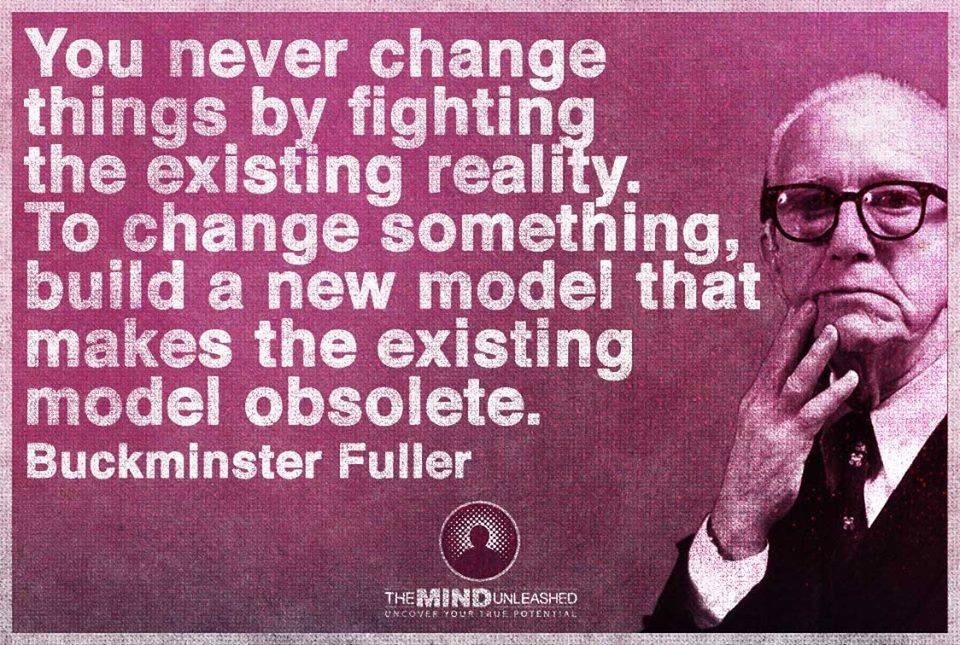 Why bother? I mean, can’t we all just sit back and relax now? Isn’t the crisis over?
In their Annual Letter published this year, Bill and Melinda Gates set the scene by betting that there would be greater progress to end extreme poverty than in the previous 15 years. And they are probably right. All indications point toward this as an outcome, and their keen interest over the last 15 years would suggest that this is actually a well-tested assumption rather than an idle wager.
Progress is good, and the message from Bill and Melinda Gates is positive. Are we out of the woods yet? Does that mean the crisis is over?
The 2014 Bill and Melinda Gates Annual Letter framed the issue of child mortality as one of three key areas where they sought to dispel myths that they rightly claim are held about addressing global poverty. At the beginning of the document, they wrote how they were “disgusted” by child mortality.
Other people have used equally strong language. Tony Lake the Executive Director of UNICEF described child mortality in 2012 as a “moral obscenity” and a “moral abomination”.
What does this mean for the 10 City Bridge Run, a citizen-led initiative to open a conversation asking “how might we use our networks to improve the delivery of child survival?” Is the war over, and we didn’t hear the news? Isn’t it all over bar the shouting? After all, Bill and Melinda Gates have spoken.
We should see the current situation as the end of a beginning, and the beginning of the end. We are now riding the waves of change. There has never been a more critical time to convene the Design Forum which will unfold this conversation about child survival than now. There is political will, institutional interest, a wealth of information, technology and the ability to communicate is better than ever, and along with increasing developments in medicine and infrastructure.
The Design Forum is not a silver bullet. And in a relative sense, together we are a minnow in an ocean of information and activity. But we are part of a much larger connected effort. And that is why this is important as a conversation. We have a real part to play, and as that conversation takes shape, it will become more obvious where we can best effect change.
The Design Forum which will commence in Osaka on 9 February is a blueprint for change for improving child survival. We are not reinventing the wheel, but drawing upon the experience and networks of others to amplify our intention. And we need your voice to help make that possible.
The Dali Lama has a quote which I like:
“If you think you are too small to make a difference, then try sleeping with a mosquito.”
We are about to begin the series of Design Forum. You can join in at any time, but why not begin with us at the beginning. We are starting by asking how might we Design the Design Forum. This will be an event in Osaka to draw upon best practice, and examine how we can organise to be effective in making a difference. The first Design Firum in Osaka convenes concurrently with an Acumen Fund/IDEO free online, seven-week course which provides an introduction to Design Thinking. You can get involved. You will make a difference. So why not sign up? It is all free.
Sign up for the Introduction to Design Thinking here.
Sign up for the Osaka Design Forum here.
Looking forward to seeing you on the journey!
Defeat
 There were many times since first conceiving this endeavour I have called the 10 City Bridge Run that I realised that what I had proposed was a little too close to the impossible, and that perhaps it might just be out of my reach.
Even since beginning this journey in Port Moresby back in September, I took the first steps with much apprehension as the way forwards was far from clear. It has been a tough journey.
And I am reminded of a great passage from a great general in his classic book, Defeat Into Victory, written by Field Marshall Sir William Slim. The passage speaks for itself:
“The only test of generalship is success, and I had succeeded in nothing I had attempted…The soldier may comfort himself with the thought that, whatever the result, he has done his duty faithfully and steadfastly, but the commander has failed in his duty if he has not won victory, for that is his duty. He has no other comparable to it. He will go over in his mind the events of the campaign. ‘Here, he will think, ‘I went wrong; here I took council of my fears when I should have been bold; there I should have waited to gather strength, not struck piecemeal; at such a moment I failed to grasp opportunity when it was presented to me.’ He will remember the soldiers whom he sent into attack that failed and who did not come back. He will recall the look in the eyes of men who trusted him. ‘I have failed them,’ he will say to himself, ‘and failed my country!’ He will see himself for what he is, a defeated general. In a dark hour, he will turn in upon himself and question the very foundations of his leadership and his manhood.
And then he must stop! For, if he is ever to command in battle again, he must shake off these regrets, and stamp on them, as they claw at his will and self confidence. He must beat off these attacks he delivers against himself, and cast out the doubts born of failure. Forget them, and remember only the lessons to be learnt from defeat, they are than from victory.”
The lessons from the 10 City Bridge Run have been many, and I am in the process of documenting them the best I can now to share more widely. I learnt most from when it was toughest, when there was no obvious way through the many barriers that lay across my path. It wasn’t only my capacity for preserving that brought me through, but it was because of the support of people like you that it was made possible.
Now I am turning my attention to the Design Forum, and it is taking shape. It is not at all what I expected it might be, but better, and I would hope will be more inspiring than what you might have considered as well. This process of the Design Forum is the real epic quest of this journey, and a journey that we must take together. The next steps forward are a team effort.
There has been plenty of failure to get us to this point, but that has been embraced by me. It was an essential part of the journey. The good think is it has given rise to success which we can all enjoy, but not without some hard work.
Thank You
 A quick note to everyone who has been part of this journey to date: thank you.
On Saturday 3 January 2015, I completed the final leg of an epic quest by running the 10th leg of 24 km in New York on a cold, wet and dark night.
To recap: back in August 2010, I announced my intention to commence a journey called the 10 City Bridge Run. Four years later than anticipated, I concluded the first leg of this journey which involved a stunt running 10 sub-marathons each of 24 km in 10 cities across 10 countries. The stunt was designed to open a conversation asking an important question: “how might we use our networks to improve the delivery of child survival?”
 In those four years, it has not been an easy journey, even though for the most part it might have seen from an outsiders perspective that there seemed to be little happening until September 2014. Suffice to say that starting anything takes effort and involves accepting risk. It has been difficult, but it has also been worthwhile.
Literally only a few people, less than a handful, are actually aware of how hard that journey has been. Maybe I ought to have shared more about those difficulties, but I think I was right not to because the journey is not actually about me. It is about us.
I couldn’t have done this without you. Please read that last sentence again for emphasis. Actually, that last sentence “I couldn’t have done this without you” needs some clarification. I knew I would need help to make this journey possible, but was unaware of how reliant I would be for support in ways I never expected from you. I needed the help you gave to get to this point, and perhaps just as importantly if not of more significance, this is a journey ‘we’ are on together, and so I couldn’t have become the ‘us’ without your involvement.
 The contribution from some might seem to them insignificant. “I did nothing!” you might protest. I just want you to kn ow that encouragement even through a simple comment or liking a post from time to time carries with it greater influence than you might ever know. So thank you. And especially to the many supporters, this journey is as much as your achievement as it is of mine, regardless of when you joined the journey. We are in this together.
While we are now some distance down the road from the idea where this journey began, this quest is only just beginning now. This is an epic journal rich with metaphor. People have told me about their reflections about what I am doing and the metaphor they identify in the journey, and more often than not I am surprised how they see it from a perspective I never considered. And there is plenty of more meaning to come that all of us have yet to identify or explore.
 While the journey has only begun, this is not an exercise is the abstract exploration of a literary device. This journey has meaning. The running stunt of this journey allowed us to arrive at the start point of what we are really here to do, rather than a destination.
Yes, the real journey is about to begin. That journey essentially comes in two parts:
- Co-creation of a book called Life Bridge which will feature 100 photos of human bridges to illustrate the importance of connection to meet a grand challenge, in this case our quest to improve the delivery of child survival. Everyone who has supported the journey to date will receive a copy as has been my obligation to you from the beginning of this journey.
- A series of Design Forum to be held in the cities where running took place to address the central challenge to the 10 City Bridge Run which asks: “how might we use our networks to improve the delivery of child survival?”
I certainly have many ideas about what these two aspects of the journey ought to look like, but this is where there is some definite transition from a very difficult pursuit that I was undertaking largely as the central actor and at considerable personal risk to myself, to one where we will together be responsible for driving the outcome and where the risk is essentially to try ideas on for size and see what works and what doesn’t. The journey ahead is the sum of our collective dreams, our collective imaginations, and reaching out to many experts with the specialist knowledge that we need to guide the conversation. We can afford to be bold, but we also need to make sure it is well planned and well executed. Don’t worry – I’m not going anywhere, and will continue to serve by leading. I might be tired from the running, but I am totally invigorated to work together as we embark on the next chapter of this epic quest.
But as I get my thoughts together after finishing this first part of the journey to open the conversation that follows, I wanted to first say thank you.
This is also an opportunity to open up the conversation to ask (how) would you like to be involved in the conversation going forward? Spectators are welcome too! And if you have just stumbled across this for the first time, welcome aboard!
In the meantime, I have a lot to share that I want to post here. Many photos and videos from the trip, many thoughts, and especially many small conversation starters to orientate the focus better towards child survival.
This is a big undertaking and we are just getting started.
Thunderbirds Are Go!
 Ok, well maybe it isn’t Thunderbirds, but with about as much energy and excitement, I am delighted to announce that the journey continues tomorrow departing Seoul bound for Glasgow.
There have been more delays and challenges along the way than maybe I care to remember, but also many lessons from those situations. I really need to document all of that to share.
Importantly, this is coming together and the stunt is making sense to frame the Design Forum in 2015. The Design Forum will be a whole new challenge, and that is an opportunity for cooperation, collaboration and partnership for many. Please join us. We do need your help.
I especially want to thank my father who was the first person to support this initiative back in 2010, not because I primed him beforehand, but because he cared enough to act. He has continued to support me in more ways than anyone will ever know, and suffice to say without his help and advice I personally would never have come this far. Thanks Dad.
Make no mistake, we have a unique opportunity ahead of us. I hope this provides inspiration for many, and if the end of the year is looking bleak for whatever reason then please join us with optimism for 2015 as we stand in solidarity to make change for those most in need.
Many of you will know I am forging ahead to make this count as a tribute to my brother, Stephen who sadly died the previous week. This journey is about improving the delivery of child survival. If you would like to support the journey ahead with a small contribution of a couple of dollars before we roll into Christmas, please visit this link as well. https://life.indiegogo.com/fundraisers/epic-quest-to-honour-my-brother-s-legacy/x/1194797
Thanks to all. BZ.
We Take Our Past With Us
 “You can run, but you can’t hide.” It is such a common quote, but actually I don’t know where it is from.
Joe Louis the great American boxer was attributed to saying “He can run, but he can’t hide”, but that is not the reference I had in my mind when I started writing this post. I am sure it is a line from a movie somewhere, but someone will have to help me out.
The point is that we have a past, and try as we might to shake off the bad bits, they are part of makes us who we are for better or worse. Learning to live from the past is of far more importance. Make peace with the past and become a better person.
When I ran through Singapore, I was reminded of my early days as a young officer in the Australian Army when we did some training exercises in Singapore. I didn’t so much run through Singapore as across it, from top to bottom starting at the Causeway and finishing on Sentosa Island. I was a hot and humid day, and I was feeling it, probably getting a little heat stroke and dehydration along the way.
A short distance after getting started on the third leg of this journey when I ran across Singapore, I passed this red sign you can see on this post.
Singapore is only a small island, and so space is at a premium. It is also a country with conscription with every male required to do national service. So with a large army, they need space to train, and safely. This sign to some extend explains that, but it also echoes a past history marked by violent struggle to emerge as a strong democracy.
We have to know our past. There are lessons to be learnt, and the getting of wisdom.
Without sounding too dramatic, there is a lot we stand to learn about child survival from what has happened in the past. Not everything has worked, and no doubt there has been a lot of wastage. Some of that has been well-intentioned, and other has been simply wasteful. But this is not a time for criticism, but analysis and designing a better future. And that is what this journey is about. The 10 City Bridge Run asks “how might we use our networks to improve the delivery of child survival?” We are not all experts, but we can learn from those who have gone before.
Here is a short reflection from during the third leg across Singapore:
And here is a short musical note of thanks from the very talented Freddie King to Robert for his support on the 10 City Bridge Run. Thanks Robert!
- ← Previous
- 1
- 2
- 3
- 4
- Next →
 Building Bridges