Child survival
Thunderbirds Are Go!
 Ok, well maybe it isn’t Thunderbirds, but with about as much energy and excitement, I am delighted to announce that the journey continues tomorrow departing Seoul bound for Glasgow.
There have been more delays and challenges along the way than maybe I care to remember, but also many lessons from those situations. I really need to document all of that to share.
Importantly, this is coming together and the stunt is making sense to frame the Design Forum in 2015. The Design Forum will be a whole new challenge, and that is an opportunity for cooperation, collaboration and partnership for many. Please join us. We do need your help.
I especially want to thank my father who was the first person to support this initiative back in 2010, not because I primed him beforehand, but because he cared enough to act. He has continued to support me in more ways than anyone will ever know, and suffice to say without his help and advice I personally would never have come this far. Thanks Dad.
Make no mistake, we have a unique opportunity ahead of us. I hope this provides inspiration for many, and if the end of the year is looking bleak for whatever reason then please join us with optimism for 2015 as we stand in solidarity to make change for those most in need.
Many of you will know I am forging ahead to make this count as a tribute to my brother, Stephen who sadly died the previous week. This journey is about improving the delivery of child survival. If you would like to support the journey ahead with a small contribution of a couple of dollars before we roll into Christmas, please visit this link as well. https://life.indiegogo.com/fundraisers/epic-quest-to-honour-my-brother-s-legacy/x/1194797
Thanks to all. BZ.
We Take Our Past With Us
 “You can run, but you can’t hide.” It is such a common quote, but actually I don’t know where it is from.
Joe Louis the great American boxer was attributed to saying “He can run, but he can’t hide”, but that is not the reference I had in my mind when I started writing this post. I am sure it is a line from a movie somewhere, but someone will have to help me out.
The point is that we have a past, and try as we might to shake off the bad bits, they are part of makes us who we are for better or worse. Learning to live from the past is of far more importance. Make peace with the past and become a better person.
When I ran through Singapore, I was reminded of my early days as a young officer in the Australian Army when we did some training exercises in Singapore. I didn’t so much run through Singapore as across it, from top to bottom starting at the Causeway and finishing on Sentosa Island. I was a hot and humid day, and I was feeling it, probably getting a little heat stroke and dehydration along the way.
A short distance after getting started on the third leg of this journey when I ran across Singapore, I passed this red sign you can see on this post.
Singapore is only a small island, and so space is at a premium. It is also a country with conscription with every male required to do national service. So with a large army, they need space to train, and safely. This sign to some extend explains that, but it also echoes a past history marked by violent struggle to emerge as a strong democracy.
We have to know our past. There are lessons to be learnt, and the getting of wisdom.
Without sounding too dramatic, there is a lot we stand to learn about child survival from what has happened in the past. Not everything has worked, and no doubt there has been a lot of wastage. Some of that has been well-intentioned, and other has been simply wasteful. But this is not a time for criticism, but analysis and designing a better future. And that is what this journey is about. The 10 City Bridge Run asks “how might we use our networks to improve the delivery of child survival?” We are not all experts, but we can learn from those who have gone before.
Here is a short reflection from during the third leg across Singapore:
And here is a short musical note of thanks from the very talented Freddie King to Robert for his support on the 10 City Bridge Run. Thanks Robert!
Why Glasgow?

Of all the cities in the UK, why on earth would I pick Glasgow? Why not London which is such a global hub with some key hospitals and organisations that have made enormous contribution to innovation, design and technology relating to child survival?
I had the chance to visit in 2013 as part of a Commonwealth Studies Conference. We had excellent access to this city which was a mercantile hub at the turn of the century, but fell into hard times as industry changed in UK. Today, it is a city that is rebuilding, and is strong like its people.
I was on the study tour with an eclectic assortment of leaders from across the Commonwealth. Three of the five countries with the largest proportion of child mortality are members of the Commonwealth and represented on the programme: India, Pakistan and Nigeria. Additionally, Sierra Leone is a Commonwealth member state with the highest rate of child mortality globally.
I was there not long after my brother was diagnosed with Leukaemia, and had just commencing his initial chemotherapy. I filmed the video below from Strathclyde University where we pad a tour through their research facility within the Public Health Department. Amazing people and exciting breakthroughs. It was stuff my brother would have loved, and taps into an important aspect of child survival which is combatting disease.
Strathclyde University is an old institution with impressive fresh thinking which is being recognised globally for their ability to steward entrepreneurial and innovative thinking. Additionally, Glasgow boasts a strong tech-med community with global reach. The answer to child survival is not going to be found in medicine, but public health is a broader discipline which probably bests describes the arena where the question: “how might we use our networks to improve the delivery of child survival?” can be mapped.
 The conversation will unfold in London before leaving the UK in April next year. Save The Children originates from London, and there are many best-practice hospitals in London that focus on child and maternal health. Additionally, London is a place where ideas thrive.
It is my intention to convene the Design Forum in Glasgow and London in April, straddling the Skoll World Forum to be held in Oxford. I attended the Skoll World Forum for many years in its early days since 2005 when it was free to attend by invitation. The conference has changed a lot since then, and has gained profile but maybe lost something by becoming a little exclusive in some regards.
Gathering people and coordinating the conversation for the Design Forum will be challenging, but is not impossible.
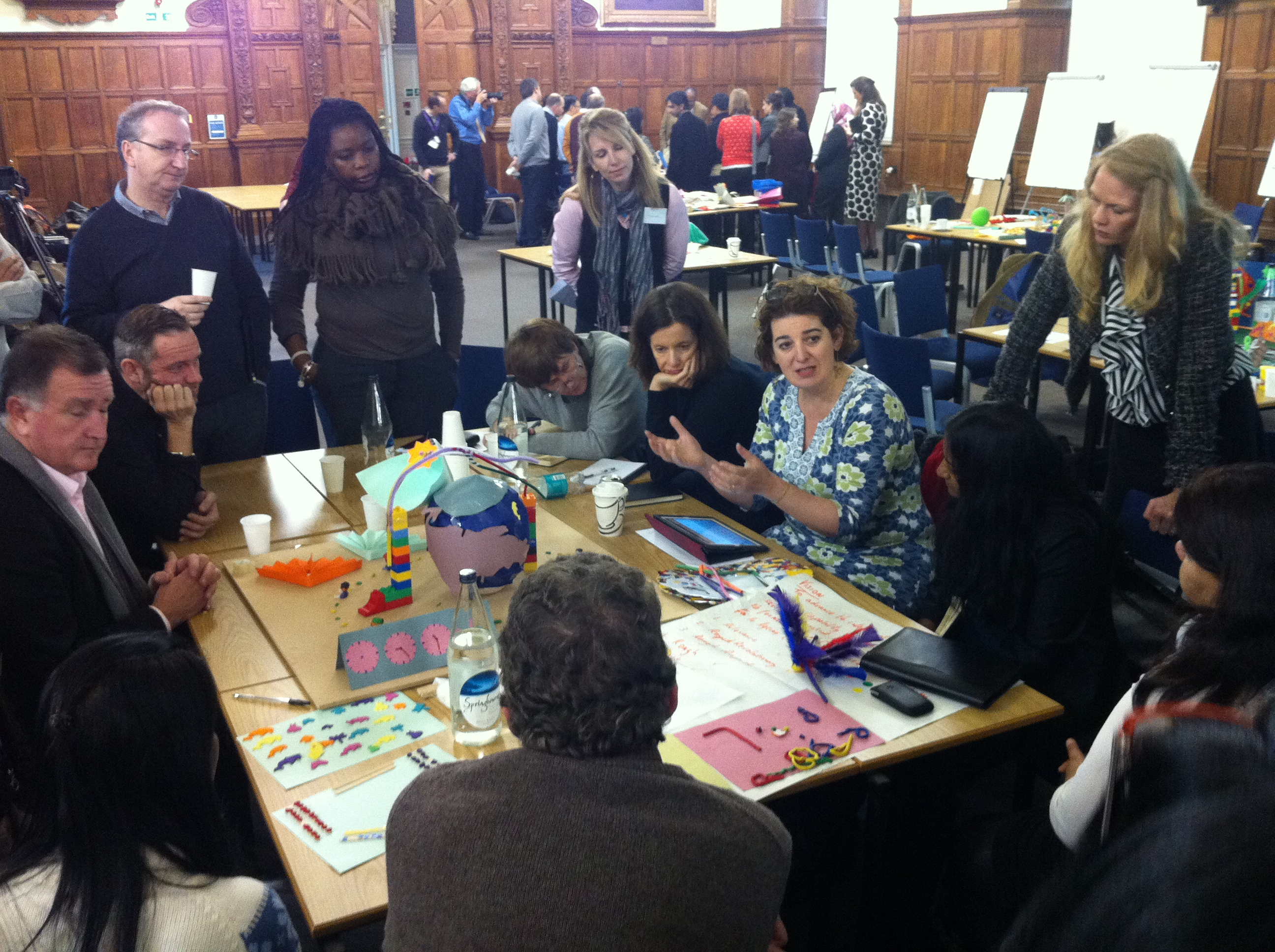
The Design Forum that will be held in UK will frame the conversation going forward after the initia hackathon which is to be held in Osaka in February, then a Design Forum in Port Moresby to get a better understanding of the problem itself.
Glasgow, Oxford and London will be important opportunities to bring important ideas into questioning ‘how might we’ improve the delivery of child survival. There is a lot of experience and workable ideas to benefit from. There is a lot of information. It won’t be easy, but it is important.
This is essentially why the running stunt is required. It is a very long way of going about building a conversation, and a way of threading together cities that otherwise have little in common of this issue of child survival. The discussions don’t have to be huge, but they will need to be effective. Making this happen will be the biggest challenge yet and will need the collaboration from many.
The Personal Is Political
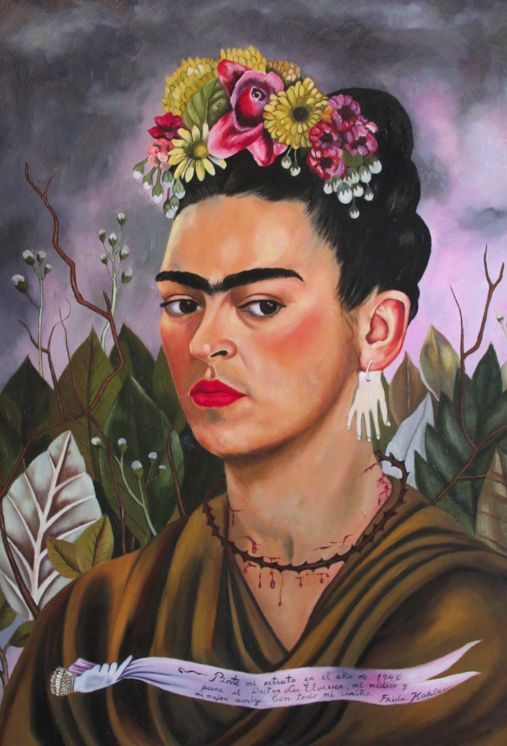
I remember back to my university days where I elected to study feminist theory during much of my foray into Art History. It was probably one of the most formative academic influences in my life, and the lessons I learnt from long hours absorbed in the beautifully illustrated books under that great dome of the La Trobe Reading Room in Melbourne’s State Library.
This week, I emailed a good friend with some unresolved feelings about what The Personal Is Political actually meant for me.
After crafting many an essay where the expression was deployed with aplomb, I was brought to a halt with the realisation that my understanding might not have penetrated much deeper than a strong intellectual resonance.
My brother’s death and the 10 City Bridge Run which is the epic journey that this blog relates to were intertwined through his son Xander who died an early death as an infant.
I was observing the media circus coveting an exclusive release from the very serious and tragic Lindt Cafe incident. If you think my description of circus is callous, look no further than the exclamation of ‘Congrats!’ from one well-known person in the wake of the heartbreaking conclusion to the siege.
So why was this such an issue? I was taken back to the how the media and government played out the MH17 incident. On board that flight was my uncle with three of his grandchildren.
The resources that CNN alone poured into getting me onto the line were astounding. How was I to make sense of this in my personal life, and then express that to a public audience of friends. To be honest, it had me stumped for a while.
The Personal is Political. More than ever, we have seen this being expressed through taglines such as #illridewithyou. Laying of flowers was a very personal thing to do, but it could be equally interpreted as an expression of defiance against threats to pour good society. The discussions that were waged either side of this often became slagging matches between the Left and the Right.
Harsh? Unfair? Insensitive? Not at all.
It is the tragic events that draw us closer to appreciating what we value most. As painful as that can be, it is a very human experience that we should be open to so as to listen.
The Personal is Political. The activist becomes effective when they move beyond being fuelled by an anger that is distant to their own personal experience. The activist must connect to what matters to them, and know why it matters for them. It doesn’t mean they must be anger, but it often is a by-product of passion.
The Personal is Political. For too long child mortality has been represented by statistics and information stalls giving away showbags full of bookmarks and PostIt Notes. Unless we connect to what matters, and why it matters to us, these Design Forum will be a flop and a waste of time.
I have had a lot of time to think during some of this running. Contemplating why? Getting to that point of thinking maybe I have it all wrong, and I should leave it to the ‘experts’. Those doubts are natural in taking ownership of what an issue means for you. It has to come from within. The Personal is Political.
It is the passion that comes from knowing The Personal is Political that enabled me to get other my hesitation and push the publish button on the campaign to fund this epic journey to honour my brother’s legacy. Please visit the page at this link, share it, and if you are able please contribute.
Whatever you do, just remember one thing. The Personal is Political.
The Inspiration That Comes From Self-Loathing
 It is time to continue this journey. The time to complete the last three runs has been far, far longer than I had anticipated, with great delays in between. A satisfying experience? Not really. In fact, not at all.
Let me rephrase that: it is time to continue the journey or to give it up.
My good friend gave me some good counsel earlier tis year. She said “look, all of this ambition is admirable, but you are not getting any younger. You can’t just wait forever. You really have to do it or give it up.” It wasn’t an ultimatum, it was good advice from a friend who cared.
And so I began. There have been plenty of mistakes along the way. Too many to mention. Stumbling forward in spite of myself, not really running in any heroic sense.
I avoided media earlier on because I knew deep down how pathetically inadequate my efforts were. I was hardly in a position to start, but at the same time had too much to lose by throwing my hands up and walking away. Besides, that is not my style.
And so I stumbled through this journey. Along the way a couple of friends unfriended me on Facebook over really petty stuff. Surprisingly, that took its toll as well. Was I just some misguided idiot?
And so I am now at that point, having been delayed in Seoul since my last run by almost a month now, and that run in Seoul taking place one month after I arrived. That is totally crazy.
This journey has always been ambitious. I never really appreciated how wildly ambitious it was at first. Would I have started if I knew this was going to be the trouble I would encounter? Hard to say.
The reality is that in the process of doing something, it changes you because of the fresh perspective you gain. Once changed, you can’t go back to how you were before. You see the world through fresh eyes, even if other people don’t.
In the midst of this, my brother died. Aren’t there more important things for me to be doing? Shouldn’t I play it safe? Return home to be with the family?
Besides which, how will I sustain this journey? Getting to Glasgow (my next city) is manageable, but flying home from New York (the final city) is well outside of my reach at the moment.
A friend asked me recently, how on earth did running have anything to do with child survival? Wouldn’t it just be better to raise money, or go any do some volunteer work somewhere, or just hold a gathering and talk about it? Why go to all this trouble?
It does remind me of the joke about the Irish swimmer who wanted to cross the English Channel. He made it two-thirds of the journey, and was so exhausted, he turned around and went back to where he bagan. It sounds like a stupid joke, but it actually makes sense. It is easier to stick with what you know than to go into unchartered waters.
Right now. I am about to dive back into those unchartered waters. It would be easier to go back to my brother’s funeral, but I really believe he would have wanted me to persevere. It was one of the things he admired in me.
What’s more is that my family are now almost expecting me to continue. My eulogy is prepared, and will be read by my sister. I think if I returned now, it would almost be a let-down, as much as everyone would be pleased to see me. It has the added benefit of giving people something to focus on in the post-funeral slump I would imagine too.
All of this at a time when an incredible event has rocked Sydney to the core. The strangest image just came across my Facebook feed. It was a friend taking a selfie in Martin Place with a steely look of resolve and some words about how sad we are all about the incident in Martin Place. Of course, he is right, but it is misplaced community spirit. We don’t need to wait for times of the worst to bring out the best in us.
And that is why I run. In my pathetically unfit, near broke, condition with no certainty of making it to the next city, let alone the end of the next lonely journey of 24km. I do it because I can, and we should. We should act now, today, and do what we can with what we have.
As I answered my friend, the running is important because more than just painting a narrative, I am seeing this journey afresh. I don’t mean this journey I am taking now, but the journey which you are all invited to participate in next year when we look to address this issue of child survival across a rolling series of Design Forum that stretch through the year.
Will we find answers? I don’t know, but none of us will know if we don’t try.
What I do know is that the investment in time has already paid off in terms of giving me fresh eyes to give this effort impact. That is a huge journey ahead next year, and I will be relying on all of the resourcefulness and guile that comes from this quest I am undertaking now, clumsily stumbling in the right direction, slowly but making progress.
The worst thing to do would be to wait until conditions are perfect because they never will be. Go now!
To put that into perspective…
 The G20 communique says that if the $2 trillion initiative is fully implemented, it will lift global GDP by 2.1 percent above expected levels by 2018 and create millions of jobs.
That is good news by any measure.
Meanwhile, the Millennium Development Goal 4: Reduce Child Mortality which was agreed to by all United Nations Member States in 2000 to reduce 1990 levels of child mortality by two-thirds before 2015 has acheived favourable progress, but will likely fall short of its objective.
A reduction of 3% was needed year by year to achieve the MDG4 goal.
Achieving the required reduction in child mortality would have saved millions of lives, and reduced the burden on developing countries significantly by addressing population, health, environmental, infrastructure and corruption issues.
One of the problem of the G20 declarations is that they are very broad on commitment to specific issues such as child survival. But it is not a case of either/or. We can lift global GDP by 2.1% above 2018 levels and work to improve child survival too! The good news is that both complement each other, and so are symbiotic goals.
How might we do this? That is the discussion to unfold during the Design Forum next year. In the meantime, good ideas about how to improve child survival are welcome.
Postcard from an epic journey
 I have spent the last week writing a reflection in the wake of the recent crowdfunding campaign supporting the 10 City Bridge Run.
The first thing I must write here is directed to all supporters to date: Thank you.
What I had hoped to be a brief account that would be easily sent around to all supporters ended up being a longer document with Nine Lessons Learnt to date.
I will forward the full document as a PDF by email subsequently, and also post it as a series of blogs here shortly for everyone to read.
The journey is now well and truly underway after considerable delay. Beginning in 2010, we took the first steps on 16 September 2014 in Port Moresby on Papua New Guinea’s Independence Day. That was a good place to start, considering PNG is a country that is unlikely to achieve any of the eight Millennium Development Goals before the end of 2015, including MDG4 which is to reduce child mortality.
This initiative is not about lists of statistics. It is about people: you, me, our networks, and importantly those who are most affected by child mortality.
Already, there is a thriving community deeply involved in addressing issues affecting child mortality, and the purpose of the 10 City Bridge Run is to connect a larger conversation to bridge what we know works with networks who have never really given this situation much thought. By doing so, the assumption is we will make significant progress to improve the delivery of child survival.
50 hour challenge
 I’m nominating you for the 50 Hour Challenge. Will you accept?
It doesn’t involve any ice or any buckets, and will only take seconds of your time.
The 50 Hour Challenge involves you forwarding this message to three of your friends.
This is about the 10 City Bridge Run, which is an epic journey involving a stunt running 10 sub-marathons each of 24 km in 10 cities across 10 countries, to open a conversation asking: ‘how might we use our networks to improve the delivery of child survival?‘
You can read more, and also support this journey at www.igg.me/at/10citybridgerun.
Right now, I am seeking a little help from just over 50 ‘bridge builders’ to help cross the imagination gap by each contributing $1 for each kilometre I am running during the 10 City Bridge Run.
If ever this stunt had meaning, it is now. Less than 50 hours remain to successfully fund the remaining journey for the 10 City Bridge Run.
The 10 City Bridge Run is grounded in an idea that it is through the triumph of imagination that we are able to achieve new possibilities. Bill Shore in his 2010 book: “The Imaginations of Unreasonable Men” describes a “narrow but vitally important space between the impractical and the impossible” which he calls the ‘imagination gap’. He writes:
The imagination gap is a place where hope lies waiting to be discovered, and cannot be extinguished once it has. Most failures in life are not failures of resources, or organisation, or strategy or discipline. They are failures of imagination.
All funds receive directly support the 10 City Bridge Run and the mission to improve the delivery of child survival through the running of the stunt itself, culminating in a series of Design Forum that will occur through 2015 to unpack this question of improving child survival. Supporters to the 10 City Bridge Run are in effect pre-purchasing a copy of the book ‘Life Bridge’ featuring a photo-essay of 100 photos of ‘human bridges’ that illustrates the importance of connection to design solutions to difficult problems such as improving child survival.
Please support this cause. Together, we can make a difference that matters by crossing the imagination gap.
A Promise Renewed. Inspired already?
 Every bit counts. Really it does.
Is it just me, or does this message seem a little hollow?
Last year, a positive campaign was launched in partnership with UNICEF called ‘A Promise Renewed’. It resonates and is a strong message.
My concern is that corporate communications are often unintentionally sucking the life out of a human message by sanitising things to such a well-read script that there is little in the way of a sense of personal engagement with the person delivering the message.
Government and bureaucracy play an important role in addressing child survivial. Very important, and this should not be diminished. The problem I see with addressing child survival is that meaningful citizen-led initiatives are hard to come by. I am sure they are out there, and most probably go unseen because they are busier doing the work than pushing out well crafted videos.
The 10 City Bridge Run exists to amplify and improve upon efforts like this. Not to compete, and not to reinvent the wheel. But there is loads of potential that goes wanting that can be engaged through a wider citizen movement.
Watch this video, and ask yourself: what is good about this, and what can be improved? I would love to hear your thoughts.
The face of child survival
Image Posted on Updated on
 In many respects, for a person who has spent their entire life within the confines of the Western world, the Millennium Development Goals which are soon due to expire can best be measured in images.
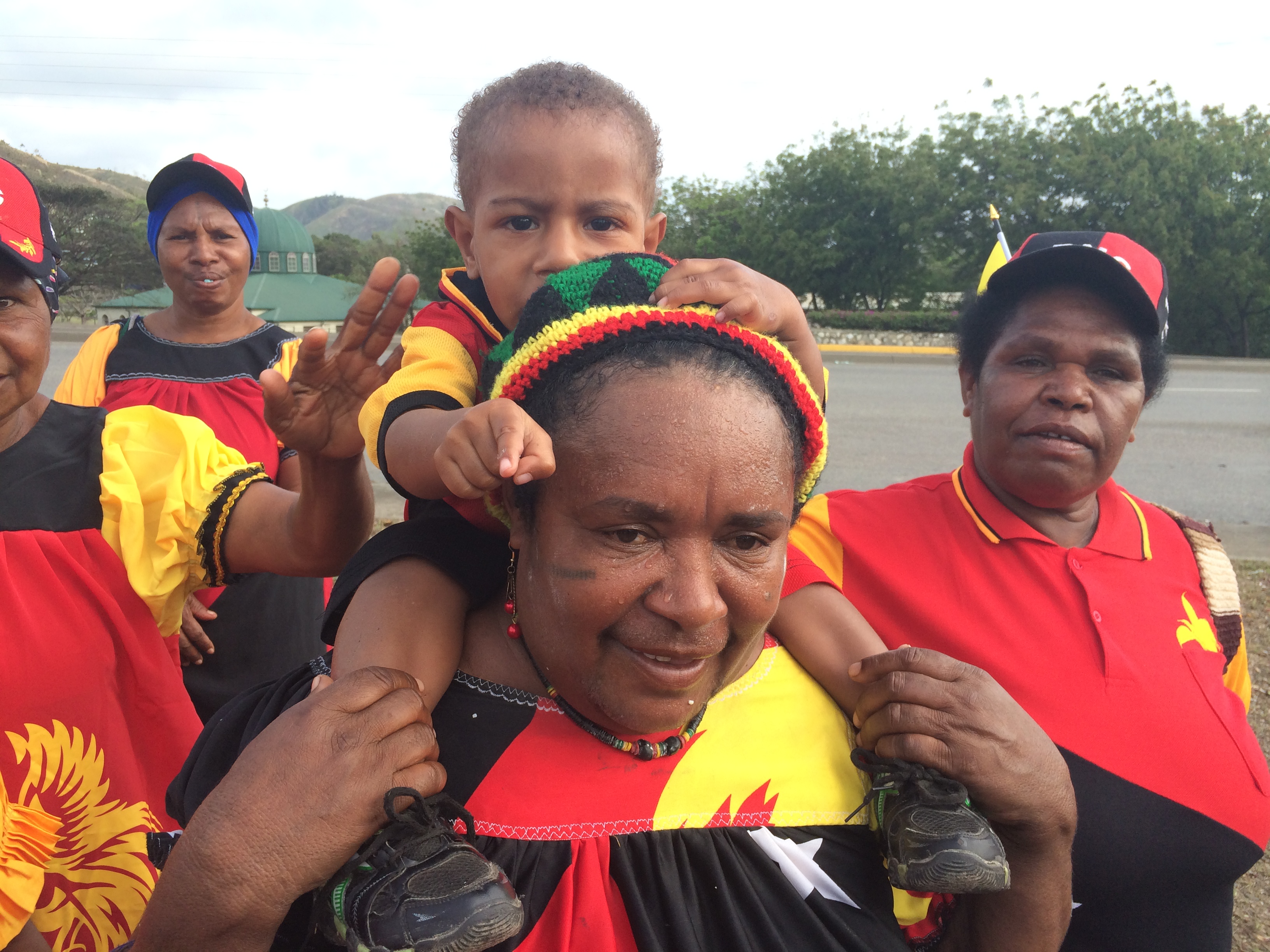 The eight MDG are simple and easily defined, which is their best feature.
One of the problems with the MDG has been the need for education of what they actually are. Still today, if you walked down the main street of any capital city of any large Western economy, most people in the street wouldn’t know what you were talking about if you mentioned the MDG.
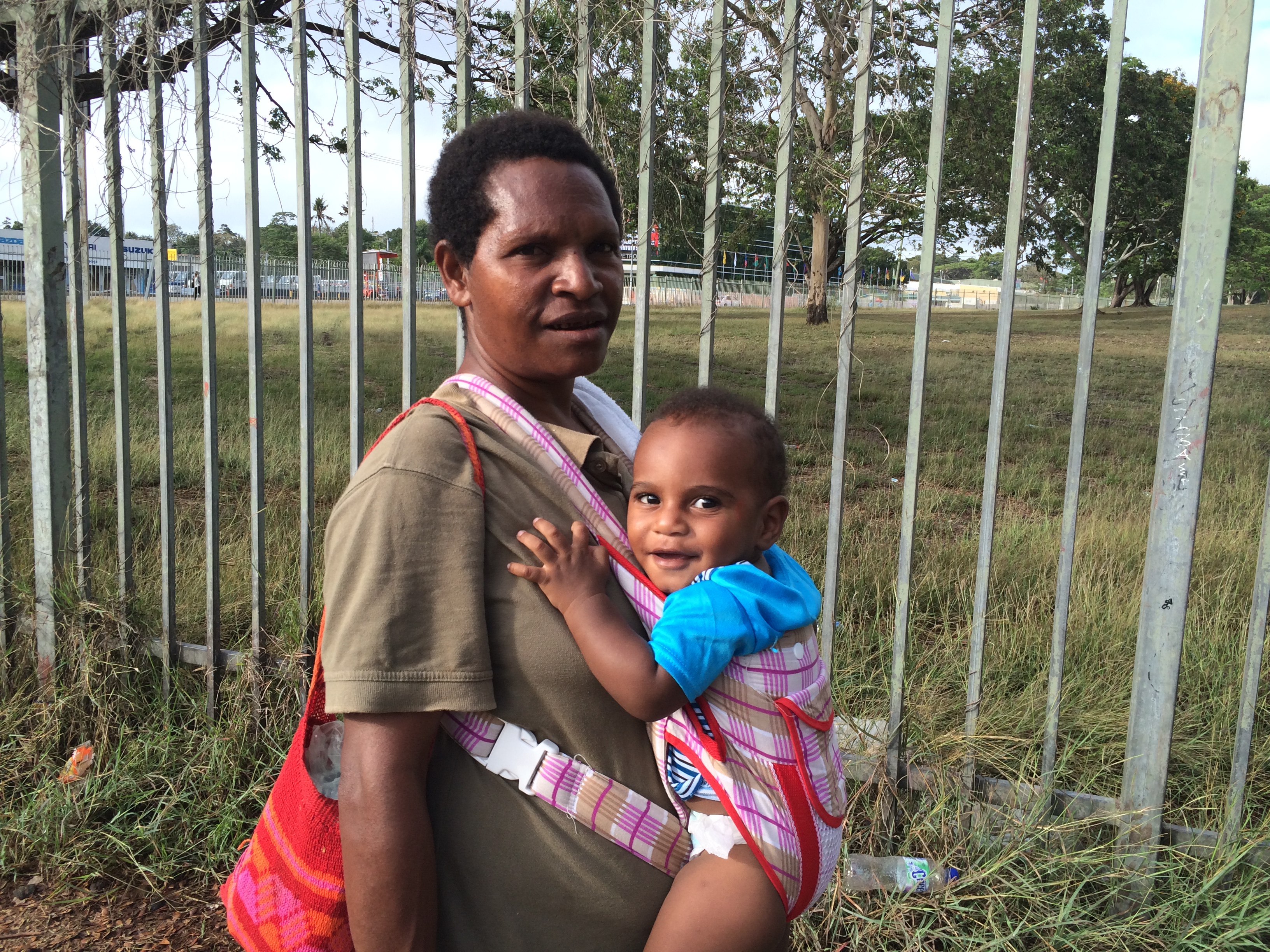 Too much time and money has been spent explaining and educating these MDG. Most of the publicity campaigns I have seen appeared to look something akin to massive, extravagant, community cake stalls. What outcome was really achieved by all of that?
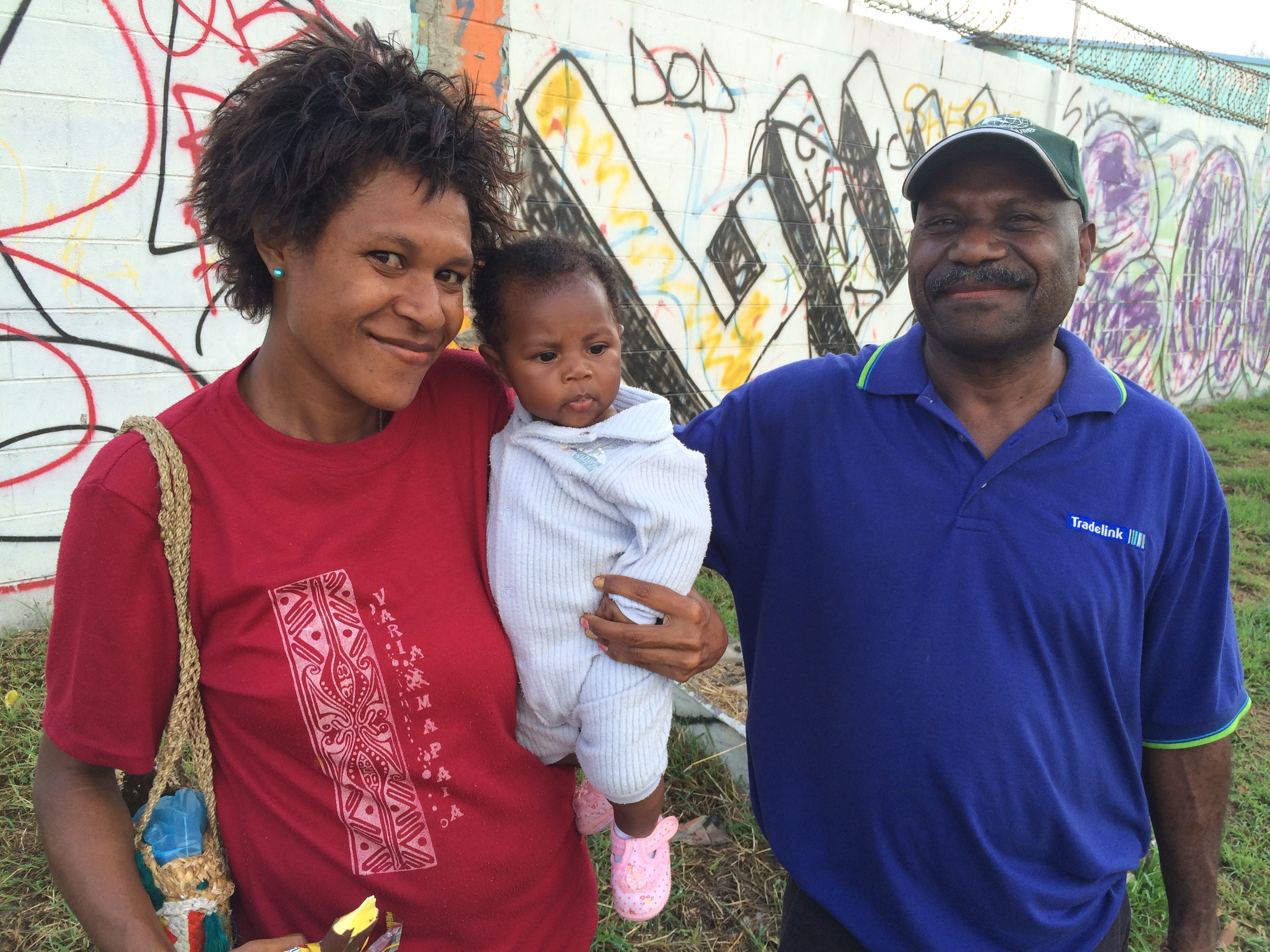 Like it or not, systemic change requires some degree of education. This is the cost of a new idea.
 But here I want to talk about child mortality, the reason behind the 10 City Bridge Run. We are focusing on child survival: the positive side of child mortality.
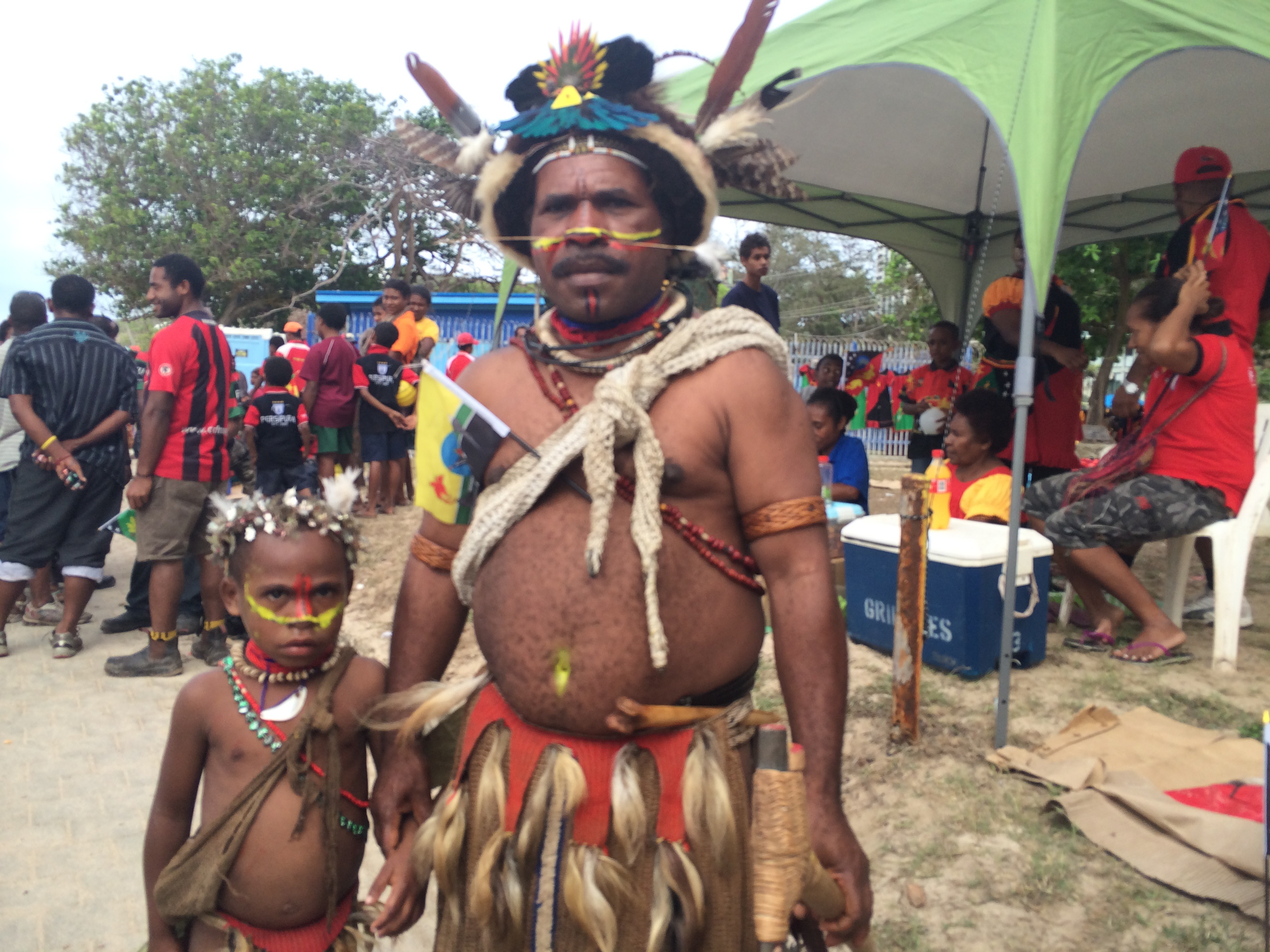 What does child survival look like? Healthy children. Rather than celebrate it, we take it for granted.
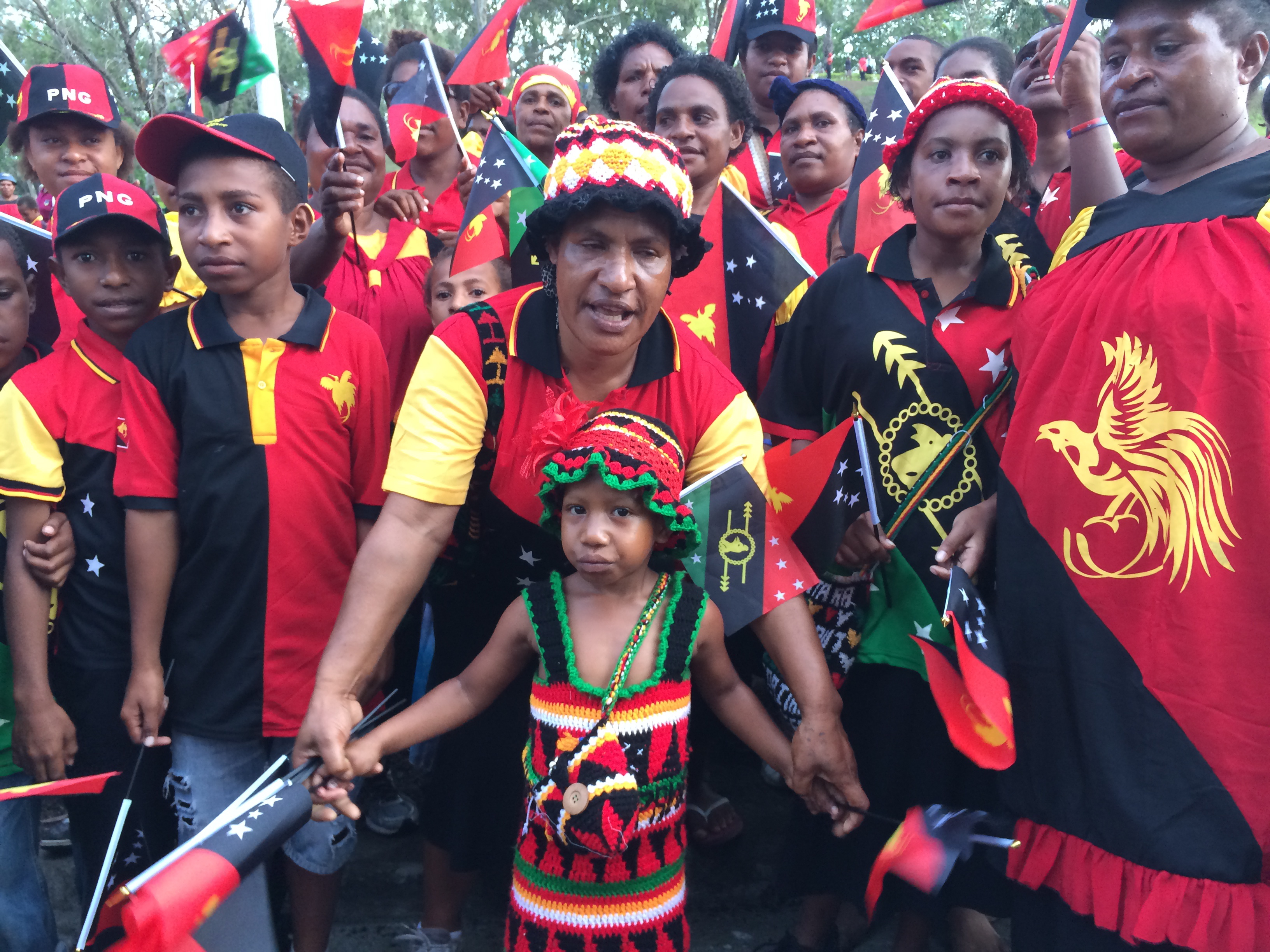 Child mortality largely goes unseen. My friends from Sierra Leone, all who I have met outside of their country in different parts of the world, all are well educated, eloquent, intelligent, and seemingly no different to you or I. There is not a tag around their neck that proclaims they are from the country with the highest rate of child mortality.
 This has been one of the failures of the MDG. They have created an image of something created by large NGOs involved in helping to address these problems through a series of well selected photographs to tug at the heart strings and wallets of people in the West who might fund their causes. It becomes the tool for the charity muggers who provide the customer facing face of these organisations as their massive fundraising and messaging campaigns ramp up.
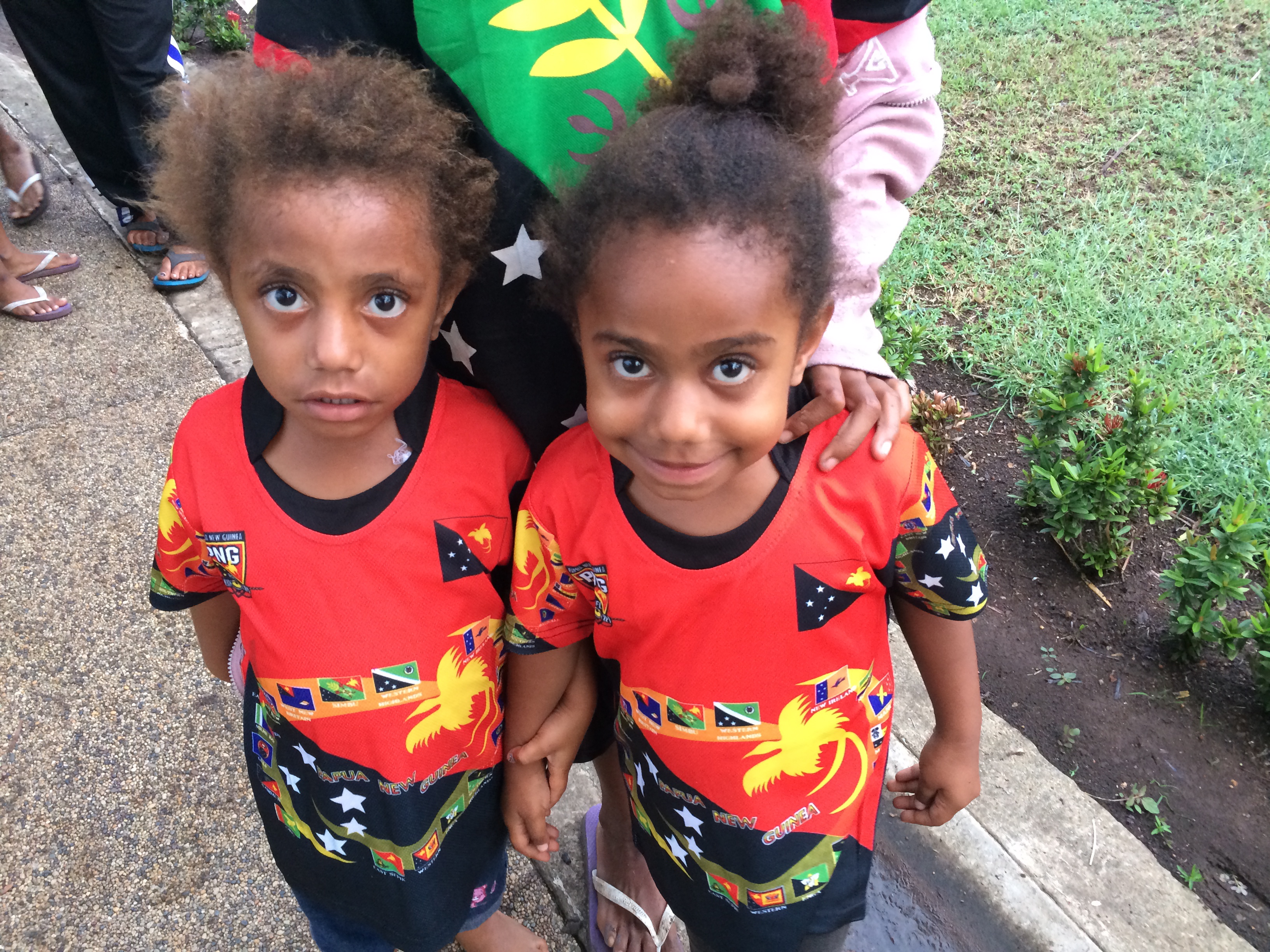 The stories told through these campaigns create a narrative of the issue. The statistics take on a life of their own. ‘What might that look like?’ we ask ourselves in our mind’s eye.
This post is not about trying to fight the system. Rather, it is about celebrating images of healthy children with healthy mothers. That is the work of the 10 City Bridge Run. There is enough misery to go around. Let’s celebrate life instead.
- ← Previous
- 1
- …
- 3
- 4
- 5
- Next →
 Building Bridges