Month: November 2014
Lesson Five. Get people to ask why
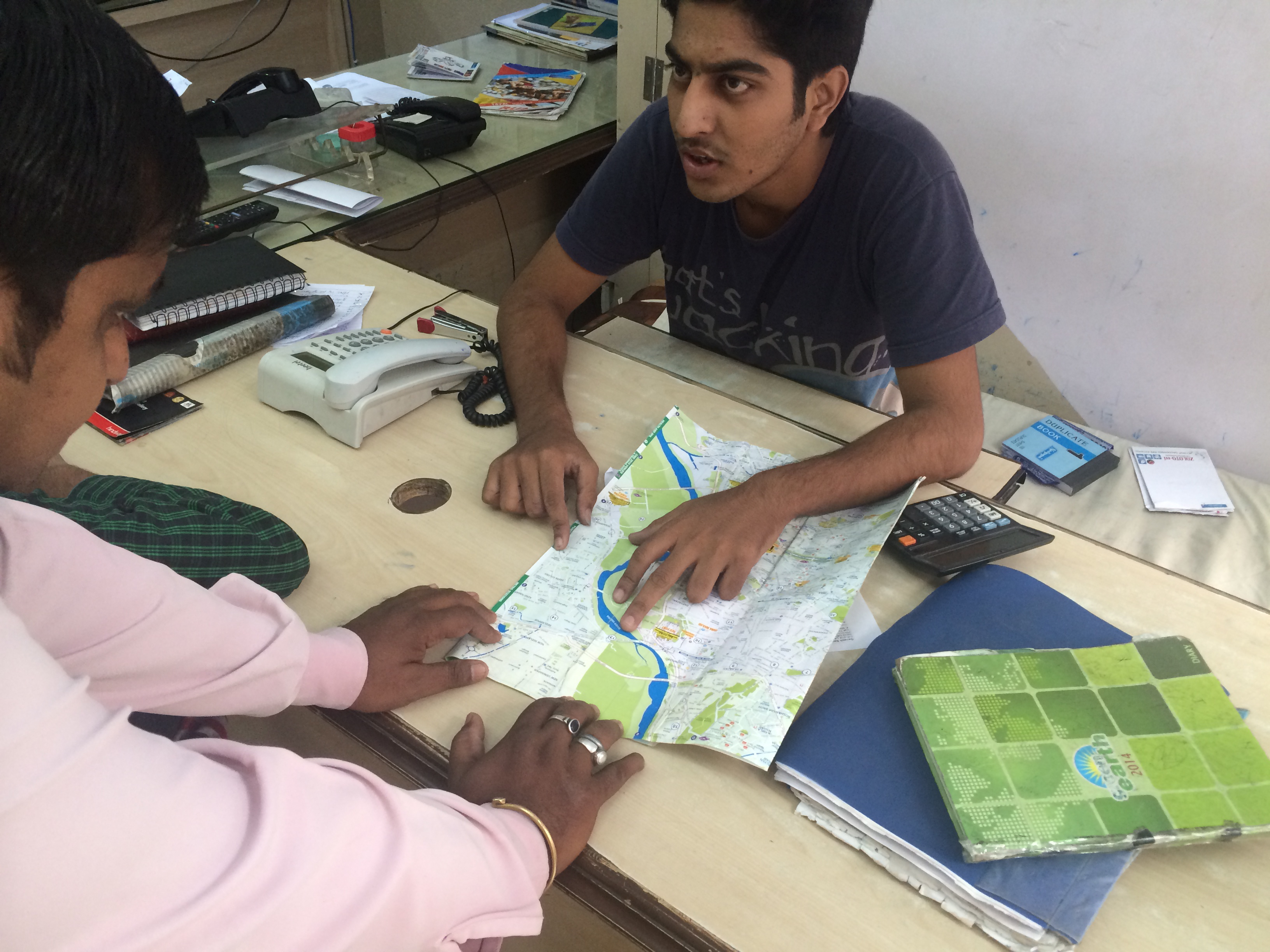 Why is this stunt important at all? Why not just give up if it is too difficult in the face of another setback?
The universal response is that the stunt captures people’s imagination. The fact that it is difficult and we are now facing further setbacks is part of the narrative that captures the imagination. If we were to give up now, what would that say about our conviction that change is possible to improve the delivery of child survival?
The first question people always ask when the stunt is explained is: “why?”
This is a very important question for people to ask for opening a conversation. It is a question asking for motive. Through explaining the stunt, I have opened countless conversations about improving child survival because people are drawn to ask why I am doing the runs. Admittedly, a more substantial conversation is needed to improve the delivery of child survival, and this will be achieved through the series of Design Forum.
Many conversations are with people who have never really given much thought to the issue about child survival. Other conversations have enabled engagement with a thriving community of people already engaged in addressing issues related to child survival. Through generating interest from this stunt, the 10 City Bridge Run seeks to bridge these two groups during the series of Design Forum.
Opening the conversation is critical to having impact. The photo-essay of human bridges featured in the book ‘Life Bridge’ which crowdfunding to date has helped fund will further open this conversation as a segue between the running stunt and the Design Forum which follow. But first, we have to allow people to ask why.
Lesson Four. Lead by example by learning
Lesson Six. Take the pressure off and change the conversation
Lesson Four. Lead by example by learning
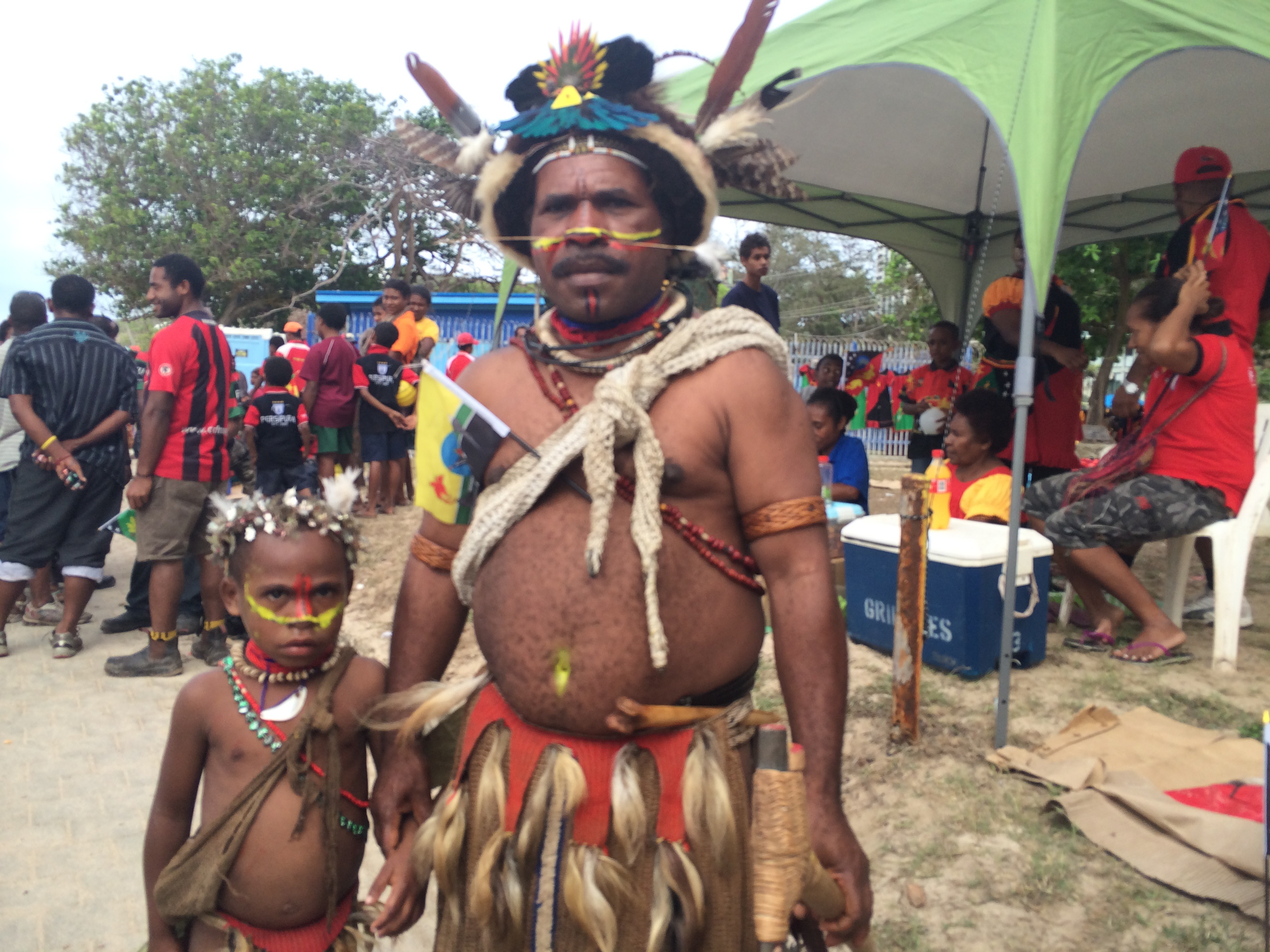 Leading by example is not limited to being the tough guy that gets out in front. Feedback from others has shown me that stepping out into uncertainty and beginning this journey has provided inspiration for many.
This stunt is not really about achieving impressive physical feats through running long distances. Learning to embrace vulnerability by confronting fear, uncertainty, risk, failure are the things that inspire others.
This learning is important is because it emphasises the need to embrace a ‘beginners mind’ through a ‘Human Centered Design’ thinking process which will be required during the Design Forum to be open to new possibilities in asking ‘how might we use our networks to improve the delivery of child survival?’
Learning and innovation require us to make mistakes and sometimes to fail. It is ok to fall short, as long as we are trying with the conviction to keep moving forward. Learning how to try something new is the type of leading by example that is needed for this conversation, if we are to improve the delivery of child survival.
Lesson Three. The view from the other side is better, but you won’t know until you get there
 Start. We can’t just talk about it. There needs to be action.
Having now run through six of the 10 cities, and ahead of the seventh leg here in Seoul, I have come to realise that going on the journey is necessary to improve child survival. These are things I could not have known from the beginning of the journey that I have learnt along the way. While this stunt might seem superfluous and unrelated to the question of child survival, taking these first steps has been an essential part of the journey.
Experiencing different cultures and how different people think, while not a new experience, has shown me that this is a bigger conversation than simply holding a singular Design Forum in one location as was the original intention. By talking about this journey with others, my reach has been extended well beyond my grasp. Perhaps most importantly, I have come to recognise many of my own weaknesses and how the support from others is indispensable in order to make a difference.
While in Port Moresby, I learnt a Tok Pisin expression: “Yumi wok bung wontime!”. The expression means “Let’s walk together!” I am appealing specifically to a select group of ‘bridge builders’ within our extended networks to walk with us, so that we can together reach the destination of the Design Forum.
Lesson Two. Deep personal commitment is needed to perform stunts
Lesson Two. Deep personal commitment is needed to perform stunts
 ‘If anything were possible…’. We are captivated by daring stunts. There is an element of showmanship. The real risks involved are often less apparent to the audience than what is accepted by those involved.
Risk involves cost, or perceived cost, which is why stunts are daring. The important thing with a stunt is to try. To commit to the stunt.
On a personal level, the risks for me in undertaking this initiative are significant. But it is the vulnerability involved in discussing failure which has been the most difficult part of the stunt of me. Physical challenges are one thing, and from the outset I have been concerned whether my own level of fitness was sufficient to complete each leg of the running, let alone the entire journey. But it has been the risk involved in discussing vulnerability which has most held me back from engaging more fully with media about this journey. Now when confronted by a relatively small funding challenge that I cannot resolve within my own resources, I am forced to dig a bit deeper in committing to this stunt.
This is where deep personal commitment is needed. Exposing myself as imperfect, to risk the embarrassing and public possibility of failure, but to try anyway. That is what takes guts. Running is comparatively easy.
This is where courage is found. Deep personal commitment is needed to extend yourself into those places that you would prefer not to go. The imagination gap takes courage to enter, and right now we need the support of a select group of ‘bridge builders’ to do this.
It is a trite expression, but worth repeating in relation to our willingness to help improve the delivery of child survival: “If not me, who? If not now, when?”
Lesson One: Feel the frustration that the journey is not yet complete
Lesson Three. The view from the other side is better, but you won’t know until you get there
Lesson One: Feel the frustration that the journey is not yet complete
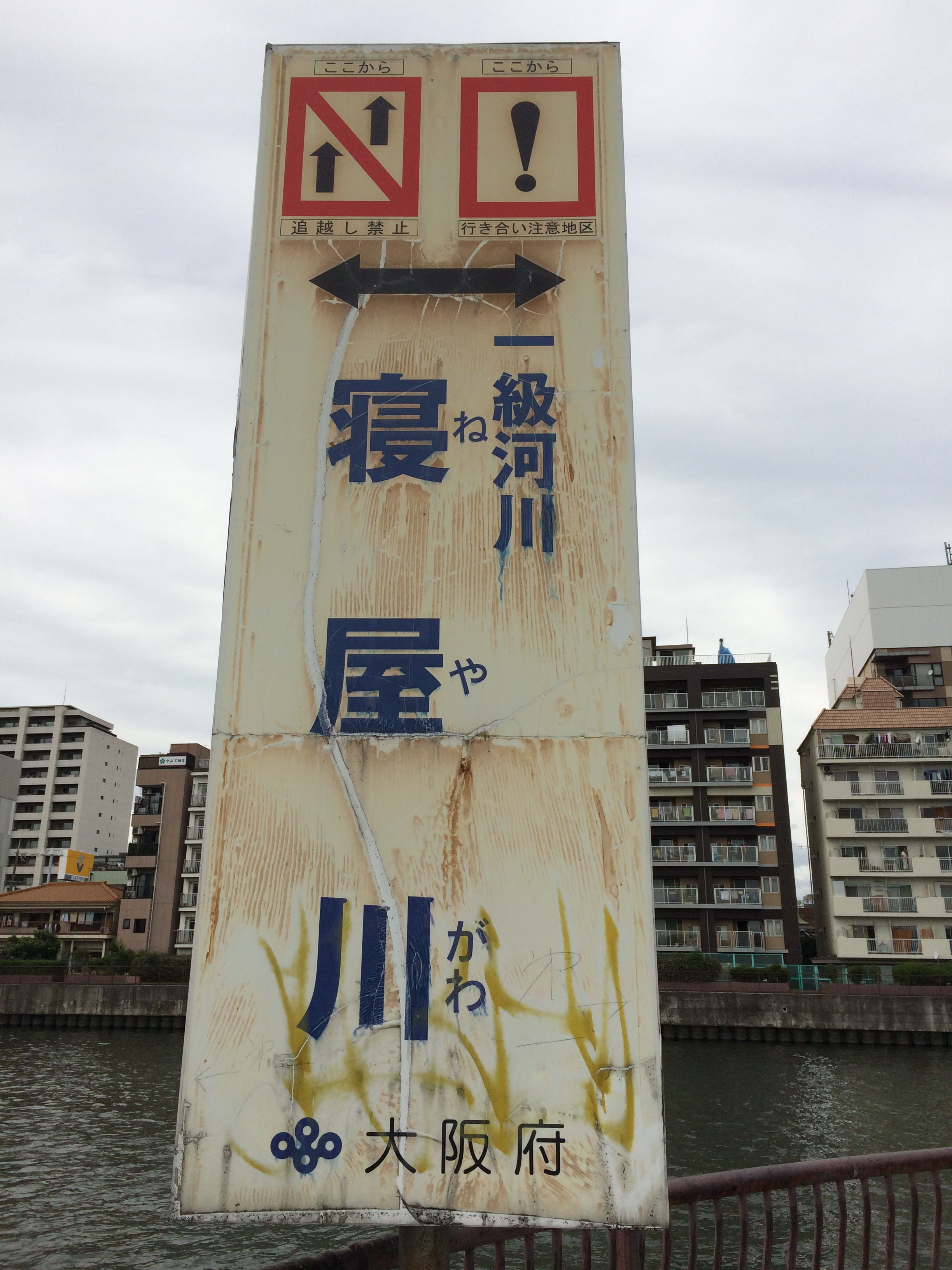 We can all relate to the frustration of a kick in the guts. It is a very human experience. The feeling when you know something is wrongfully incomplete. Having to wait for something that was expected.
We all ought to be frustrated that the 10 City Bridge Run has taken a further setback through this failure to achieve sufficient funding from the recent crowdfunding campaign to keep moving forward.
The stunt framing this initiative is not really about running, or how far or fast I can run. It paints a metaphor about the challenges involved in opening a global conversation to address the issue of child survival where despite recent progress, the aspirational target set through the MDG remains elusive.
The meaning of the stunt involved in the 10 City Bridge Run has become extended far beyond what was intended or imagined because of the recent setback in failing to meet the crowdfunding target. The stunt mirrors the the inability to reduce child mortality within the 421 days remaining to achieve the MDG before the end of 2015, ahead of a transition to a post-2015 Sustainable Development Agenda.
Tony Lake, Executive Director of UNICEF, has described child mortality as a ‘moral obscenity’, further saying in 2013: “There is no time to spare…The lives of nearly 35 million children are at stake…Each voice that speaks out against the death of a child is a reminder of unfulfilled promises and a call for urgent action.”
Beyond frustration, how ought we to respond to this setback which limits progress? Give up on the journey as too hard and a distraction to more pressing needs? Postpone the remaining three runs into 2015 when it is easier to deal with? Or act now to build a bridge over this obstacle through a triumph of the imagination?
Bill Shore in his 2010 book: “The Imaginations of Unreasonable Men” describes a “narrow but vitally important space between the impractical and the impossible” which he calls the ‘imagination gap’. He writes: “The imagination gap is a place where hope lies waiting to be discovered, and cannot be extinguished once it has. Most failures in life are not failures of resources, or organisation, or strategy or discipline. They are failures of imagination.”
Right now, we have an opportunity by allowing our frustration to help us identify the next steps that might improve the delivery of child survival. This will require the immediate support from a select group of ‘bridge builders’ who have the capacity to enable us to reach the destination of the Design Forum.
Four years ago when I was beginning this journey, one ‘bridge builder’ gave an undertaking to contribute $500 per run in order to give this initiative legs. While that commitment has yet to be honoured, it serves as a benchmark by which other ‘bridge builders’ might show their commitment to this epic journey. I propose that the number of ‘bridge builders’ sought is capped at ten only.
Lesson Two. Deep personal commitment is needed to perform stunts
Nine Lessons From An Epic Journey

We have come a long way.
Starting in Port Moresby on 16 September 2014, coinciding with Papua New Guinea’s Independence Day, was important. Papua New Guinea is a country that is unlikely to meet all Millennium Development Goals (MDGs) before the end of 2015. The troubling progress experienced by Papua New Guinea in reducing child mortality made it an appropriate place to start this journey called the 10 City Bridge Run where we seek to open a conversation asking: “how might we use our networks to improve the delivery of child survival?”
The 10 City Bridge Run is a citizen-led initiative conceived in 2010, which has taken until now to commence. It was framed within the context of the MDGs which seek to reduce global poverty from 1990 levels by two-thirds before 2015. MDG4 is to reduce child mortality.
 In 2010, aid agencies pointed to the appalling rate of child mortality per day, measured then using 2008 data, estimated as 24,000 children under the age of five dying every single day. I chose to run ten sub-marathons each of 24km in 10 cities across 10 countries as a stunt to open this conversation about child survival.
There are three basic elements to this initiative: (1) A running stunt involving 10 sub-marathons each of 24 km in 10 cities across 10 countries, (2) Publication of a book titled ‘Life Bridge’ featuring an inspiring photo-essay on the theme of ‘human bridges’ to illustrate the importance of our connections, and (3) Perhaps most importantly, a series of Design Forum to be held during 2015 where the conversation to ask the question: ‘how might we use our networks to improve the delivery of child survival?’ will be opened to shape impact.
 After running in Port Moresby, the journey traveled through Sydney, Singapore, Osaka, New Delhi and most recently the Chinese coastal city of Shanhaigeun. I’m writing this reflection from Seoul ahead of the seventh leg of the 10 City Bridge Run.
At the end of a last week, a crowdfunding campaign to sustain this journey ended, falling significantly short of the target. Even in light of this setback, I consider progress to date has been successful.
The following nine lessons learnt explain why I believe our progress has been successful to date, and what this means for the next steps in this journey to improve the delivery of child survival.
Here is the list of the Nine Lessons which will be discussed in the posts that follow (hyperlinks to be added once all posted):
- Lesson One. Feel the frustration that the journey is not yet complete.
- Lesson Two. Deep personal commitment is needed to perform stunts.
- Lesson Three. The view from the other side is better, but you won’t know until you get there.
- Lesson Four. Lead by example by learning.
- Lesson Five. Get people to ask why.
- Lesson Six. Take the pressure off and change the conversation.
- Lesson Seven. We underestimate the influence of our encouragement.
- Lesson Eight. Keep moving forward.
- Lesson Nine. Expressing a silent tribute.
First Postcards
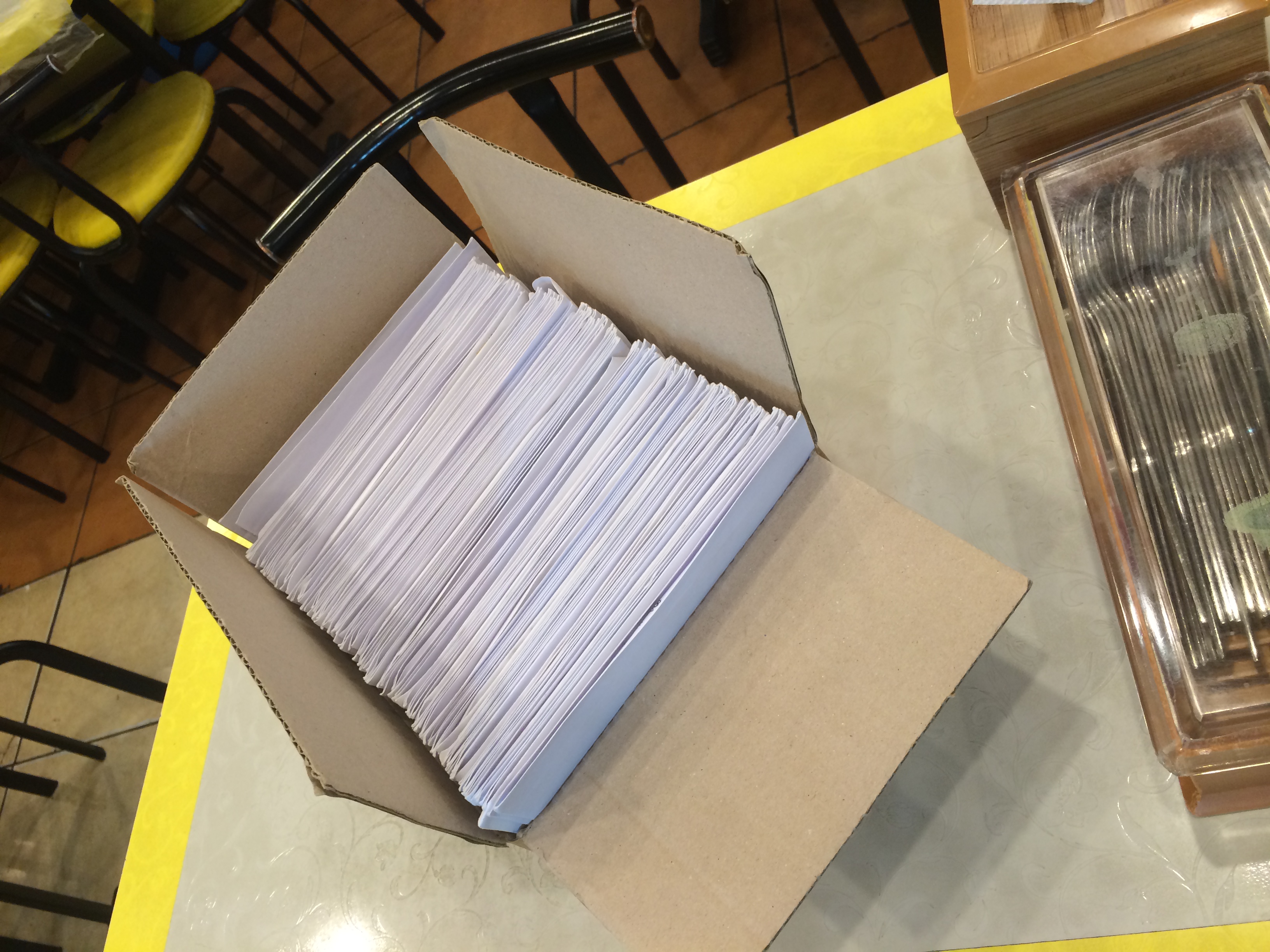
My last post was titled Postcard From An Epic Journey.
Some supporters might be wondering where the actual first postcards are that were due to be sent shortly before my departure from Sydney. Good question!
I didn’t complete writing all of the postcards before departing Australia, and worked on completing the remainder en route to Singapore.
Administration is not my strength, in fact far from it.
I carried this swag of postcards with me across Singapore, on the bus to Malaysia, then to Japan, India, China, back to Japan, and now Korea.
By the time I arrived in Japan, I had started writing an update on the second of the postcards, a task that was completed here in Seoul.

I held off sending them at the time they were completed, partly because of the time window involved, and waiting to learn how things worked out with the crowdfunding campaign. In the next series of posts, you will read about the next steps that we can take through the help of a select group of supporters, and once I have some clarity on that result I will post the cards.
I do apologise for the length of time this has taken, and all I hope is that the postcards when received provide an intriguing reflection of the difficulty of this journey to date.
Thanks again for your support.
Postcard from an epic journey
 I have spent the last week writing a reflection in the wake of the recent crowdfunding campaign supporting the 10 City Bridge Run.
The first thing I must write here is directed to all supporters to date: Thank you.
What I had hoped to be a brief account that would be easily sent around to all supporters ended up being a longer document with Nine Lessons Learnt to date.
I will forward the full document as a PDF by email subsequently, and also post it as a series of blogs here shortly for everyone to read.
The journey is now well and truly underway after considerable delay. Beginning in 2010, we took the first steps on 16 September 2014 in Port Moresby on Papua New Guinea’s Independence Day. That was a good place to start, considering PNG is a country that is unlikely to achieve any of the eight Millennium Development Goals before the end of 2015, including MDG4 which is to reduce child mortality.
This initiative is not about lists of statistics. It is about people: you, me, our networks, and importantly those who are most affected by child mortality.
Already, there is a thriving community deeply involved in addressing issues affecting child mortality, and the purpose of the 10 City Bridge Run is to connect a larger conversation to bridge what we know works with networks who have never really given this situation much thought. By doing so, the assumption is we will make significant progress to improve the delivery of child survival.
- ← Previous
- 1
- 2
 Building Bridges