Design
Nine Lessons – PDF Document

Enclosed are all the Nine Lessons from this Epic Journey in one document.
Click Postcard from an Epic Journey to download the PDF document.
Lesson Eight. Keep moving forward
 Three cities remain following Seoul in this running stunt. Each of those cities are critical in threading together the intellectual engagement of this question: ‘how might we use our networks to improve the delivery of child survival?’ Glasgow, Toronto and New York are all critical cities renowned globally for their thinking.
For the time being, it would seem that those three cities are immediately out of reach. The sensible thing would be to postpone the journey until it is financially viable and less of a personal risk to myself.
Ought we to play it safe and accept what is reasonable? George Bernard Shaw would advise otherwise: “The reasonable man adapts himself to the conditions that surround him… The unreasonable man adapts surrounding conditions to himself… All progress depends on the unreasonable man.”
This image of a human bridge which inspires the photo-essay in the book ‘Life Bridge’ is in part inspired by words adapted from the legendary Korean marathon world champion Son Ki-chung who broke the world-record in 1935 and won the 1936 Berlin Olympic Marathon: “The human bridge makes incredible things possible when supported by strong commitment and passion”
Holding the remaining three cities in abeyance until 2015 is an option, and still allows for forward movement. But perhaps our frustration with an incomplete journey ought to inspire us to push harder to make incredible things possible now. Completing the running stunt directly from Seoul is an outcome that is not possible within my current resources, but achieving it would give an inspiring context to the Design Forum in the knowledge of a completed running stunt that the seemingly impossible is possible. This is why I am appealing for help from a select group of ‘bridge builders’.
The proposed schedule for the Design Forum would engage with a broad community of partners and stakeholders for participation proposed as follows:
| Proposed Schedule for Design Forum | ||
| Theme | Location | Date (2015) |
| Framing the problem: Focus on Papua New Guinea | Osaka | February (middle) |
| Port Moresby | February (late) | |
| Global context, ideation and opportunity | Glasgow, London and Oxford | April |
| Toronto | May | |
| New York | May | |
| Evaluating prototypes | Sydney | June |
| New Delhi | July | |
| Implementation, delivery and moving forward | Johannesburg | August |
| Nairobi | August | |
| Singapore | September | |
| China (TBC) | October | |
| Seoul | October | |
The importance of ‘bridge builders’ to support this initiative immediately is that it enables preparation of this schedule with confidence.
Lesson Seven. We underestimate the influence of our encouragement
Lesson Seven. We underestimate the influence of our encouragement
 Crowdfunding might at first appear to be an exercise in raising money, but it has far greater utility to shape a conversation, test an idea, raise awareness, and build networks.
The willingness of people to support something that is risky and uncertain shows a real spirit of generosity. Without this support, together we could not have reached this point that has enabled us to look ahead to the journey that follows.
Every dollar raised has had a meaningful impact on this initiative. 137 supporters since 2010 have together contributed less than $12,000. This has been critical to develop this idea and commence the journey to this point. Every supporter deserves an individual special note of thanks here for making this possible.
More often than not, we underestimate the influence of our encouragement. Even seemingly insignificant actions such as ‘liking’ a post on Facebook, offering advice, or just checking in with a friendly word of encouragement, are all actions that have a big impact.
This might seem trivial, but it is not. More importantly. it shows that small interventions might be among those actions that are most important which we can do through our networks to improve the delivery of child survival. What are those interventions? The Design Forum will seek to identify those meaningful interventions that can lead to lasting impact.
Please, never underestimate the power of your encouragement. For everyone who played their role to date, thank you very much. Your support has had a huge impact on me personally, and together enabled us to weave this epic journey.
Lesson Six. Take the pressure off and change the conversation
Lesson Six. Take the pressure off and change the conversation
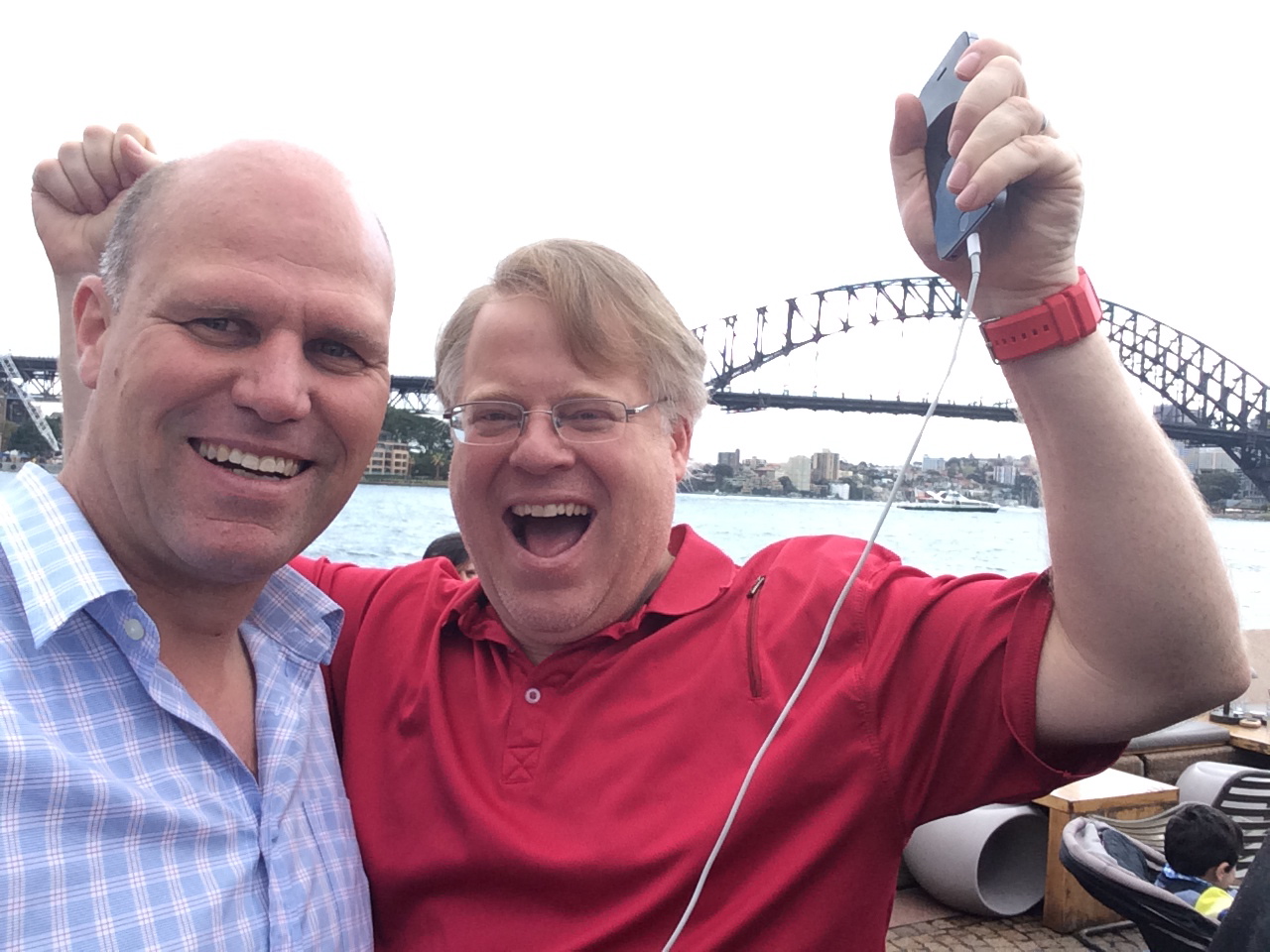 There were many things I could have done differently to influence a more successful outcome to the previous crowdfunding campaign. I take responsibility for falling short. There are many things I don’t do well.
The anxiety I have felt about the viability of the journey was perhaps reflected in the earlier conversations about this initiative during the crowdfunding campign. Unintentionally, striving towards a financial goal placed a lot of pressure on myself, on top of other considerations relating to preparation, fitness, logistics, and my overall ability to commence the journey.
Unexpectedly, as the crowdfunding campaign drew to a close I felt the pressure being taken off me, and the conversation shift in terms of participation. We transitioned from the question of ‘can you support?’ to ‘how might we work together to create the next steps?’
The question of ‘can you support?’ is unhelpful because it can solicit a guarded response. Importantly, focusing on ‘how might we work together to create the next steps?’ opens the conversation to a fuller participation.
The 10 City Bridge Run is not about reinventing the wheel. We respectfully want to play our part in the ecosystem of those vibrant communities already actively involved. The reason why the 10 City Bridge Run is necessary is that there is huge untapped potential which can only be accessed through a much larger conversation echoing the words of Bill Gates: “I’m convinced that getting our brightest minds to focus on our biggest problems will save lives and make the world a better place.”
Lesson Five. Get people to ask why
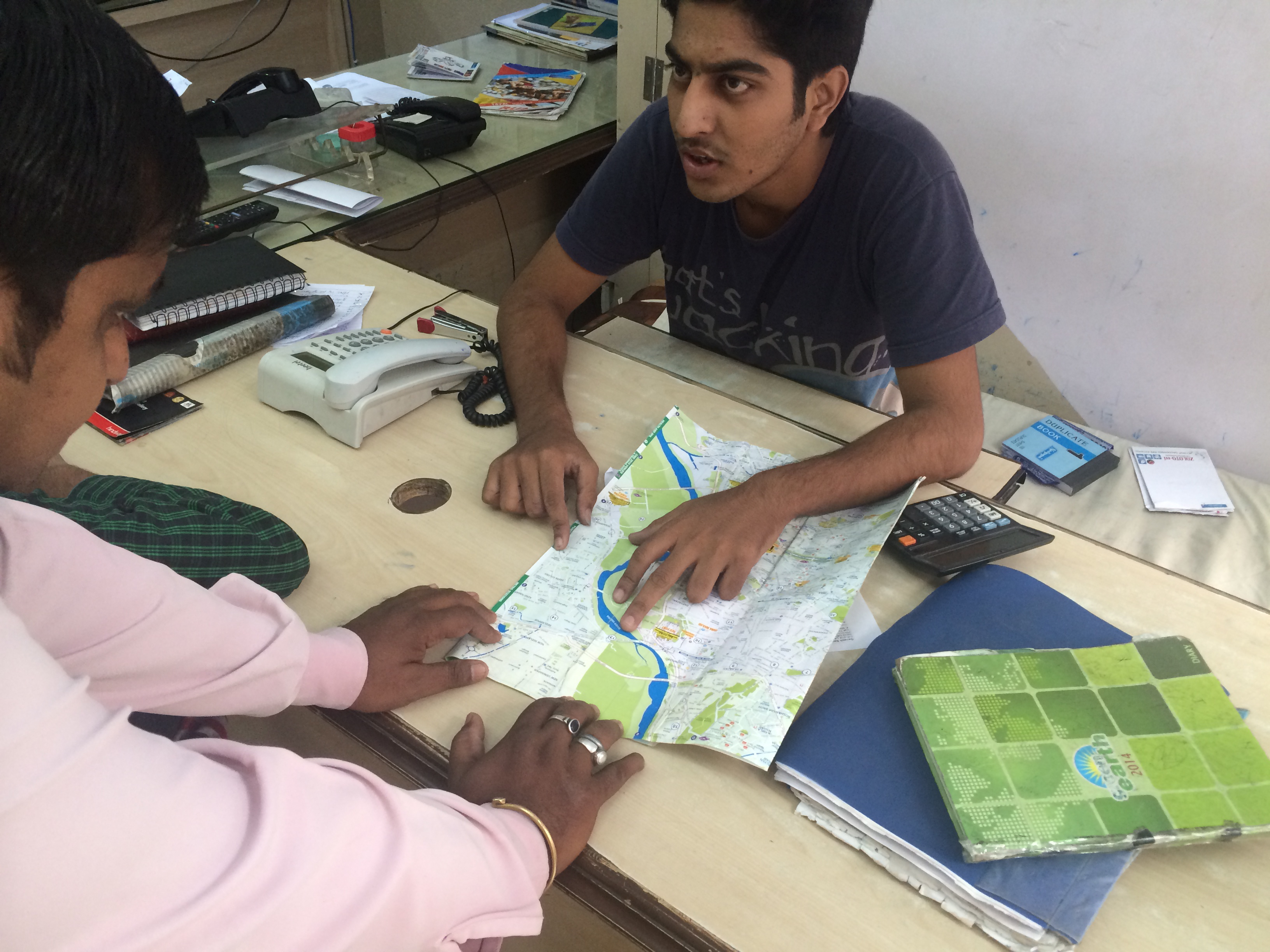 Why is this stunt important at all? Why not just give up if it is too difficult in the face of another setback?
The universal response is that the stunt captures people’s imagination. The fact that it is difficult and we are now facing further setbacks is part of the narrative that captures the imagination. If we were to give up now, what would that say about our conviction that change is possible to improve the delivery of child survival?
The first question people always ask when the stunt is explained is: “why?”
This is a very important question for people to ask for opening a conversation. It is a question asking for motive. Through explaining the stunt, I have opened countless conversations about improving child survival because people are drawn to ask why I am doing the runs. Admittedly, a more substantial conversation is needed to improve the delivery of child survival, and this will be achieved through the series of Design Forum.
Many conversations are with people who have never really given much thought to the issue about child survival. Other conversations have enabled engagement with a thriving community of people already engaged in addressing issues related to child survival. Through generating interest from this stunt, the 10 City Bridge Run seeks to bridge these two groups during the series of Design Forum.
Opening the conversation is critical to having impact. The photo-essay of human bridges featured in the book ‘Life Bridge’ which crowdfunding to date has helped fund will further open this conversation as a segue between the running stunt and the Design Forum which follow. But first, we have to allow people to ask why.
Lesson Four. Lead by example by learning
Lesson Six. Take the pressure off and change the conversation
Lesson Four. Lead by example by learning
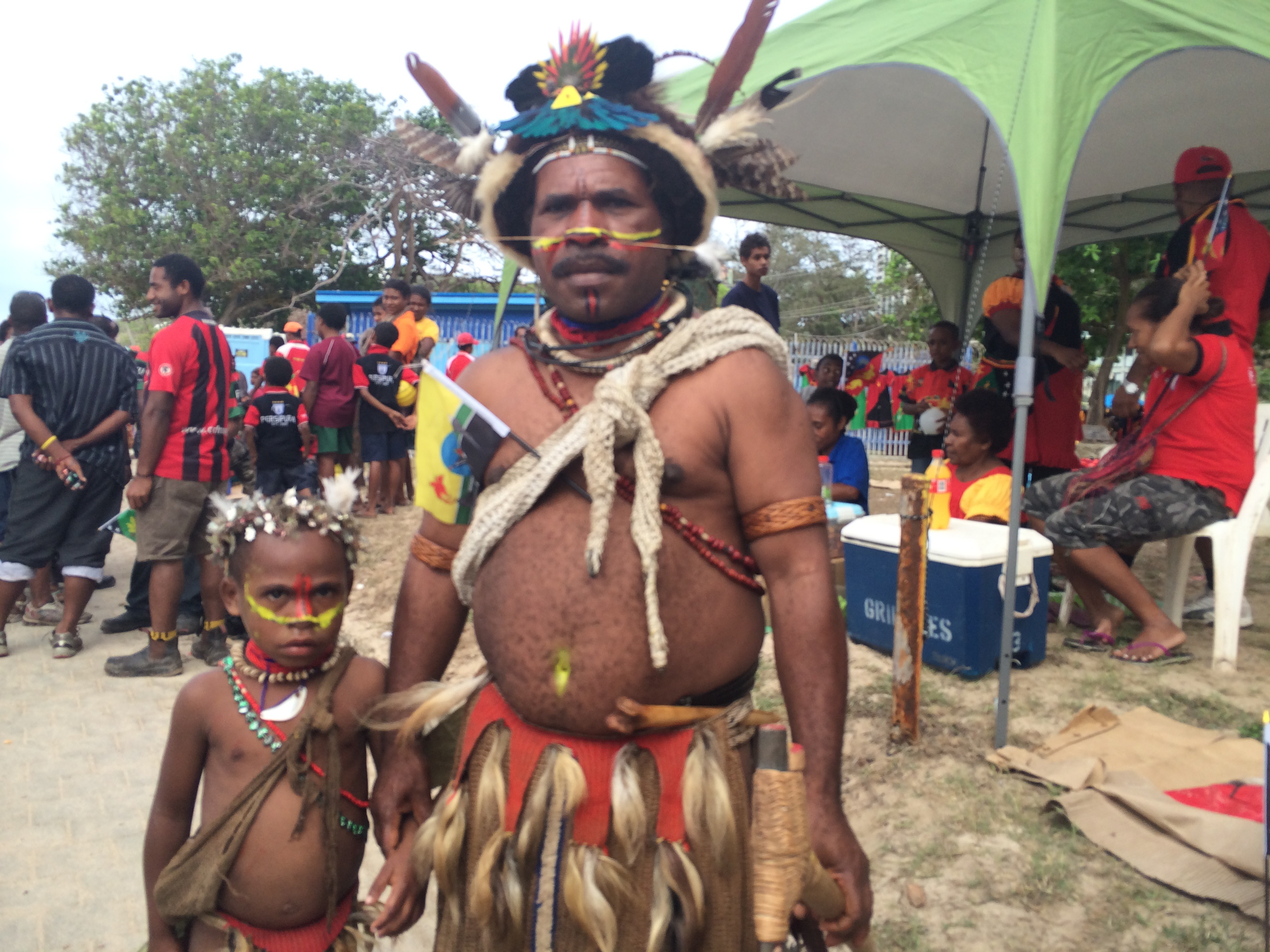 Leading by example is not limited to being the tough guy that gets out in front. Feedback from others has shown me that stepping out into uncertainty and beginning this journey has provided inspiration for many.
This stunt is not really about achieving impressive physical feats through running long distances. Learning to embrace vulnerability by confronting fear, uncertainty, risk, failure are the things that inspire others.
This learning is important is because it emphasises the need to embrace a ‘beginners mind’ through a ‘Human Centered Design’ thinking process which will be required during the Design Forum to be open to new possibilities in asking ‘how might we use our networks to improve the delivery of child survival?’
Learning and innovation require us to make mistakes and sometimes to fail. It is ok to fall short, as long as we are trying with the conviction to keep moving forward. Learning how to try something new is the type of leading by example that is needed for this conversation, if we are to improve the delivery of child survival.
Connect like you give a damn!

Cameron Sinclair, co-founder of Architecture for Humanity and an accomplished designer from New York, in 2008 demanded of designers at the International Contemporary Furniture Fair in New York to “design like you give a damn!” He argued:
Forget these chandeliers and overpriced sofas; forget the whole New York design scene. Look to Africa and India, to the places where design is a matter of life or death.
During the 10 City Bridge Run, we are asking you to ‘connect like you give a damn!’
No one can effectively ‘do bridging’ on their own. Our networks are possibility factories, but only if we choose to use them.
Unreasonable!

George Bernard Shaw is quoted to have said: “The reasonable man adapts himself to the world: the unreasonable one persists in trying to adapt the world to himself. Therefore all progress depends on the unreasonable man.”
What do you make if this sense of Chutzpah?
One of the three objectives for the 10 City Bridge Run is: “Knowledge sharing through engaging a ‘design community’ in a collaborative creative process of inquiry to tackle the issue of child mortality.”
What would it look like to connect people making big impact with great ideas with other people who have never really thought about making a difference at all? That has the potential to exploit the greatest untapped resource on the planet- ourselves!
To get a sense of where these ideas might be, watch this short video from The Unreasonable Institute:
When everyone with the ideas is inside of one room, this concept is simple. When they are distributed across the globe, it becomes a design challenge. How can we engage with this conversation to make a real difference in reducing child mortality. Or is it just unreasonable and fanciful thinking?
Other Mens’ Flowers

I was fortunate to spend some time with Fred Chaney over the last two years. He gave me wonderful advice, whether I wanted to hear it or not. That is the sign of someone who really cares- they take the time to tell you the truth, not just put sugar coating on everything.
One conversation he gave some clues about how to have impact which was profound advice. I summarise it by the expression ‘Other Mens’ Flowers’. Here is what it is about:
- Other Mens’ Flowers: Use what others have produced as a foundation.
- Find Fellow Nudgers: We are not in this alone. Collaborate.
- Small evolutions: Big revolutions are actually rare. Focus on getting the small evolutions right.
- Not random interventions: Focus. Stay focused.
- What is the one big game changing idea?: What are you about?
Reflecting on this was on my mind over the last month as I reviewed the 10 City Bridge Run. I need your help to move forward. Please join with me as a ‘Fellow Nudger’ to help change the game and improve the lives of millions.
Prototype and reinvention = the freedom to fail expectations

This morning at breakfast a friend David Greatorex who has considerable experience running marathons inside of 3 hours gave me some advice after hearing about my injury. “You know 25% of people who set out to run a marathon following a three month training program never start the race. Injury around the second month.”
John Best was the guest speaker at breakfast. Previously the team doctor to the Wallabies (Australian Rugby Union team). He spoke on ‘How we are wired and how can we function best?‘ Speaking about the highest level of sporting professionals, he mentioned the pressures of public scrutiny and need for acceptance which people respond to that are not altogether helpful. After a period of time, even the most valuable of trophies fade away…
David gave me some advice afterwards in relation to my endeavour to go running: “Those sportsmen almost have no choice. You do. Don’t be compelled to run because of what others expect.”
Fred Chaney is a mentor who has given me some of the best advice I have received. I know he would caution me against racing into something just for the sake of doing what I said I would. It is that pressure that I am feeling on myself at the moment.
Good design thinking emphasises the need for prototyping and reinvention. This requires the freedom to fail expectations of others in the pursuit of concepts that might work. This is different to perfectionism. It is about tolerating game-play and learning.
If I am serious about design as part of the 10 City Bridge Run, I think I do need to say that at present I have developed a design brief as a prototype that seeks the partnering and co-creation from others. My instinct is that the next month until the end of the year is best spent in opening this conversation of design, prototyping and partnerships. Maybe the optimal execution is to commence the run at the beginning of the new year. This is a process of raising awareness and learning- not a race to finish runs.
Let me fail your expectations, maybe failing my own expectations most significantly, of completing this run before the end of 2010. I think it calls for co-creation for more prototyping and reinvention before the project is ready to begin.
- ← Previous
- 1
- 2
- 3
- 4
- Next →
 Building Bridges